PMDD Treatment
There are different treatment available for PMDD, depending on your symptoms and whether you want to get pregnant.
PMDD care often combines:
Doctor-prescribed treatments
Talking therapy and counselling
At-home symptom management
Lifestyle strategies that support your wellbeing
In this section, we’ll walk you through the medical treatments your doctor might suggest, and highlight evidence-backed advice.
Treatments
Antidepressants: SSRIs (selective serotonin reuptake inhibitors) are often the first treatment offered. They can be taken daily or only during the luteal phase (2 weeks before your period). SNRIs may also help. These medications can ease emotional symptoms like anxiety and low mood.
Hormonal treatments: Options include the combined pill, progestogen-only methods, or GnRH analogues (short-term use with HRT). These aim to stop ovulation or periods to reduce hormone-related symptoms.
You can read more on the NHS website about combined oral contraceptives.
Talking therapy: Cognitive Behavioural Therapy (CBT) and other therapies can help manage emotional symptoms. You can self-refer through NHS Talking Therapies (England) or ask your GP for a referral.
Visit the NHS talking therapies page to check what’s available in your area.
Pain relief: Anti-inflammatories like ibuprofen or naproxen can help with physical symptoms, including cramps and joint pain.
Surgery: If all other treatments have failed, removal of the ovaries, womb, or both may be considered. This is a permanent, last-resort option and not suitable if you want to get pregnant.
Supplements: Some evidence supports calcium, vitamin B6 (at safe doses), and agnus castus. Always check with your GP or pharmacist before taking supplements and only purchase from a reputable supplier. You may be able to get these on prescription.
At home symptoms management and lifestyle strategies
There are lifestyle changes that you can make that can give you additional control over your PMDD. These wont cure you but they can have an impact and are worth considering.
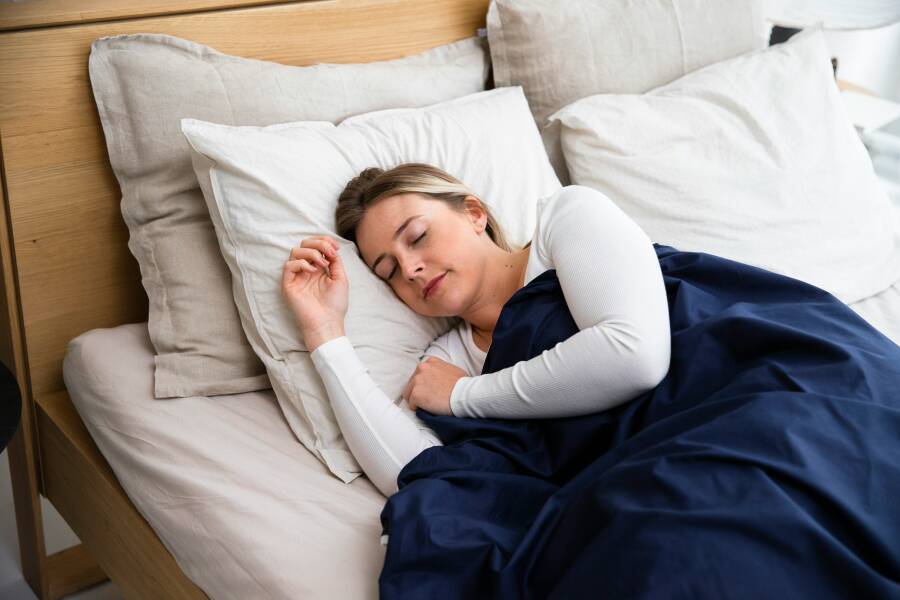
Simple changes in your daily routine, such as adopting a balanced diet, incorporating regular exercise, and prioritising sleep, can significantly impact on how you feel.
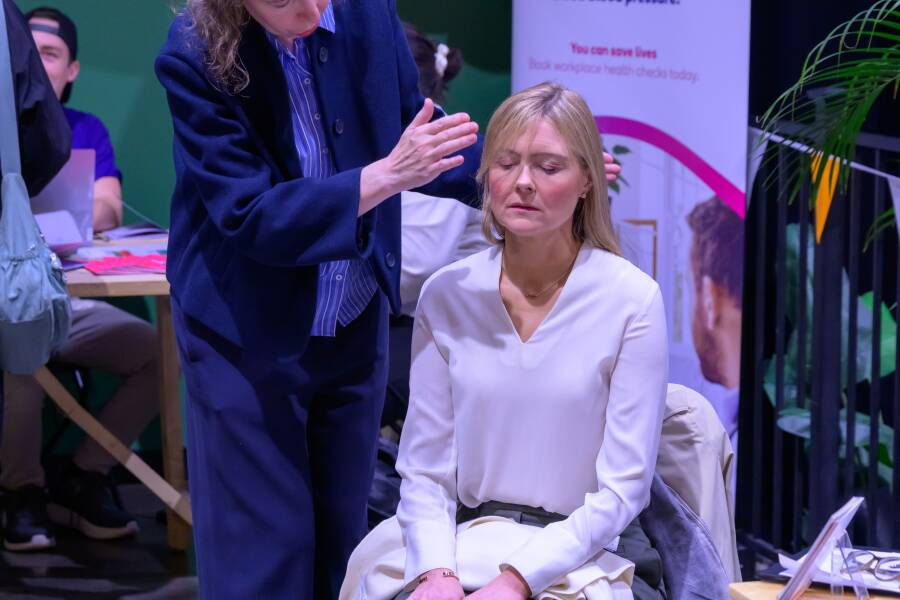
Mindfulness and stress management techniques, like meditation or yoga, can also play a crucial role in alleviating symptoms and enhancing overall well-being.
Reducing alcohol, smoking and caffeine can also help.
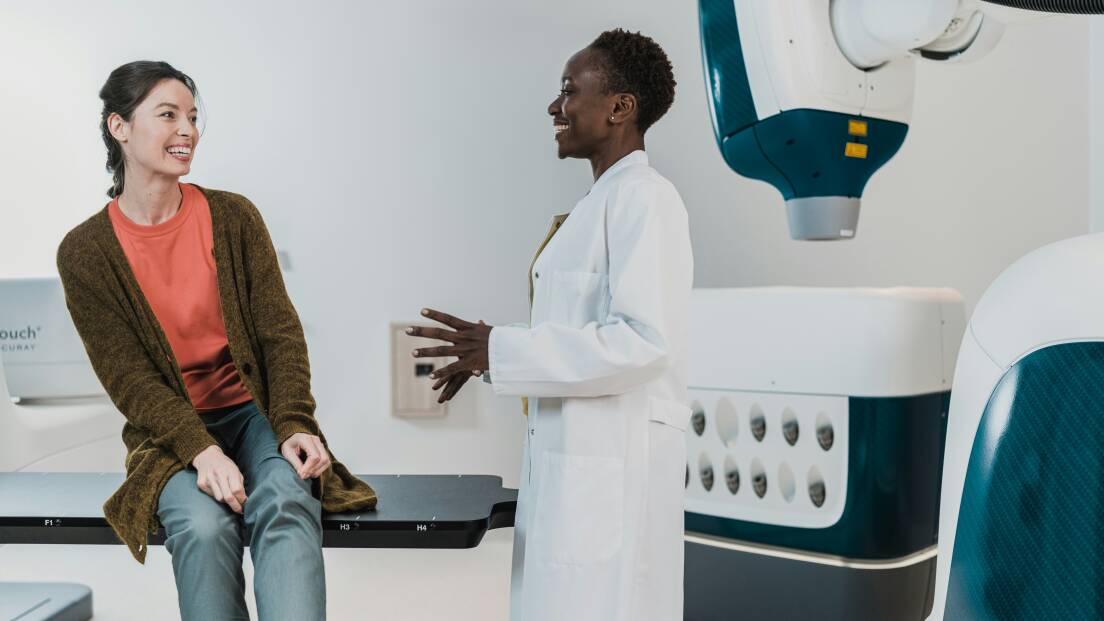
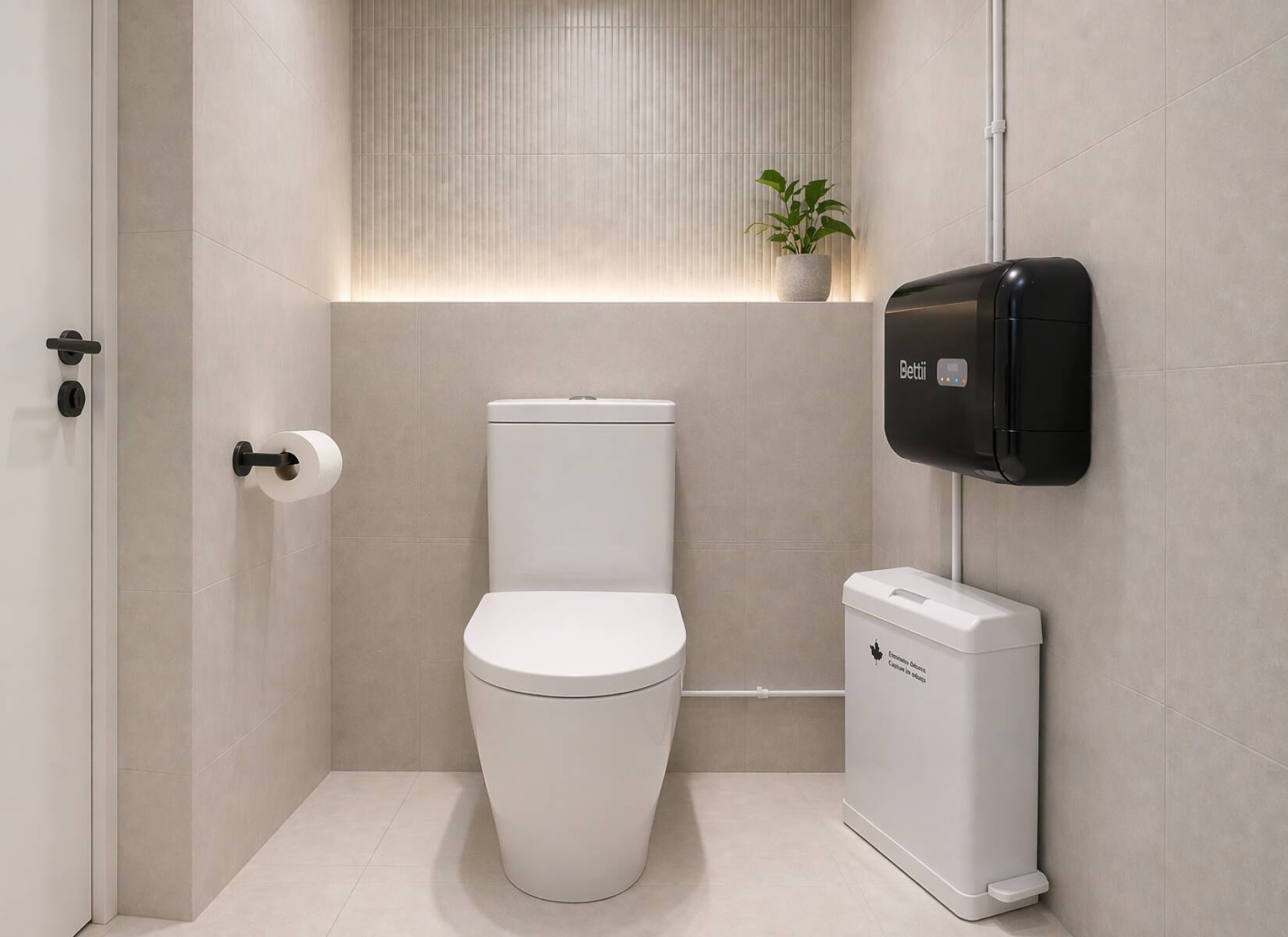
The Bettii Washer
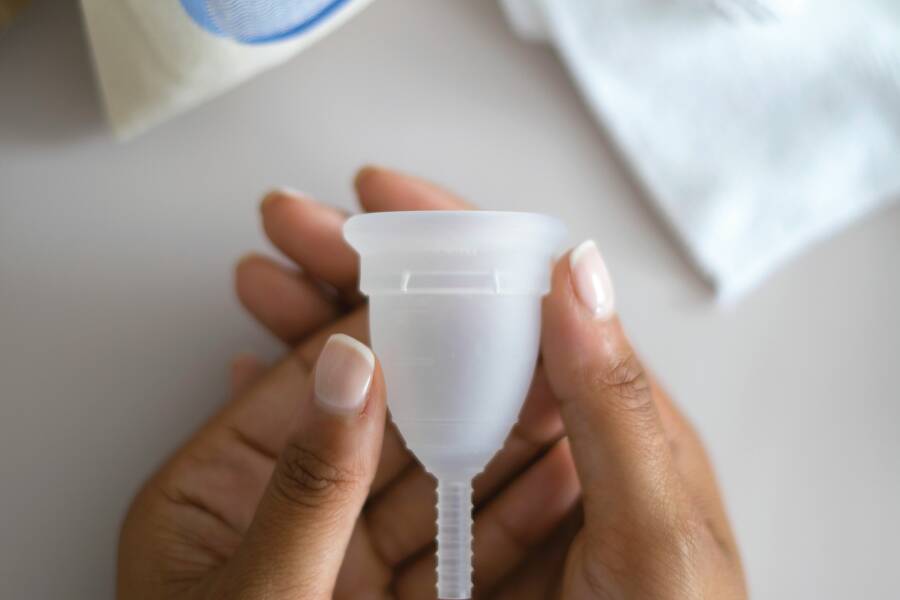
The world’s first in-cubicle menstrual cup and disc washer. Free to use. Permanently installed. Designed for real life.
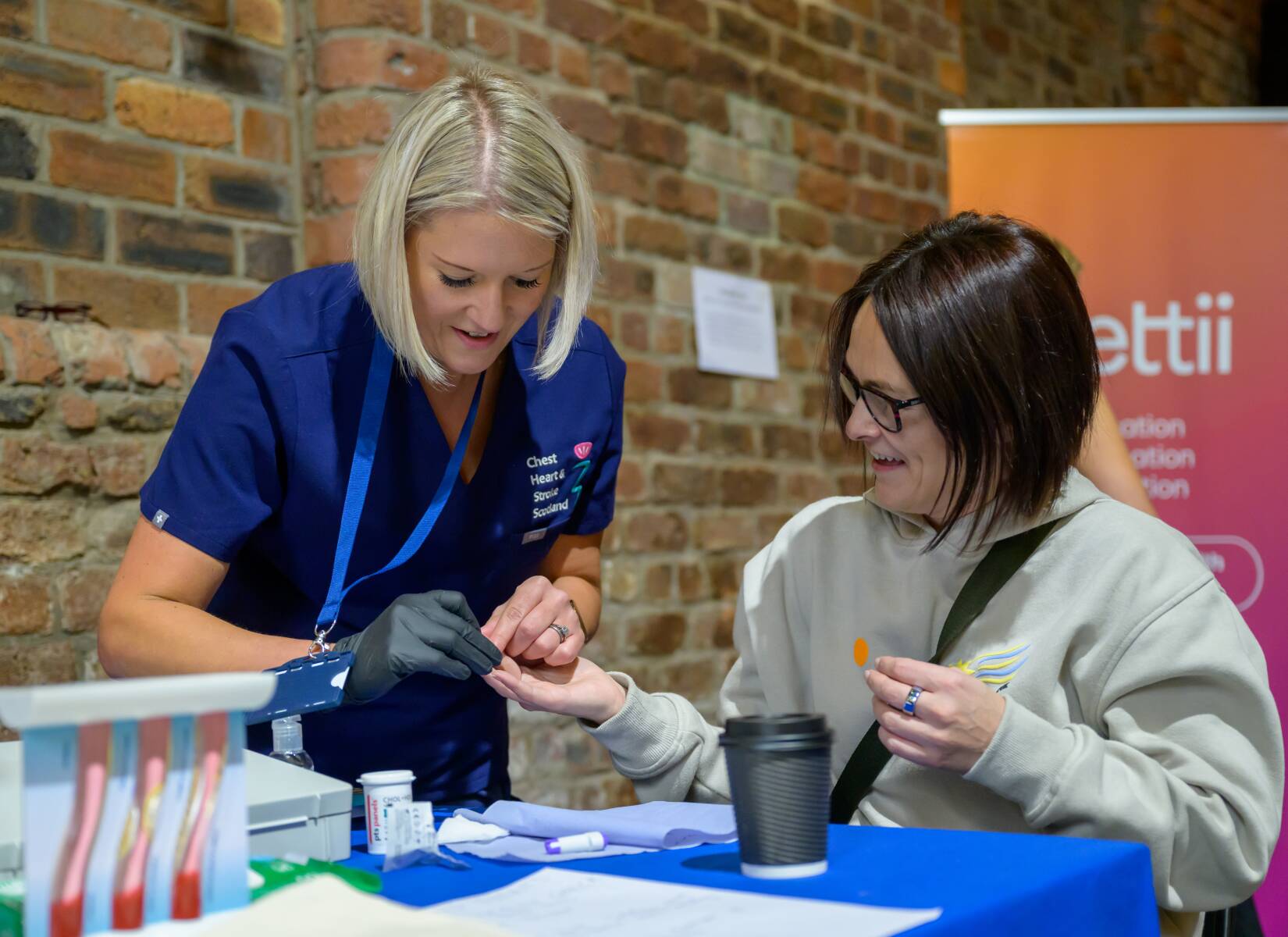
Your Health
Learn about your health: periods, women’s bodies, and conditions like endometriosis, PCOS, and more.

Lifestyle Help
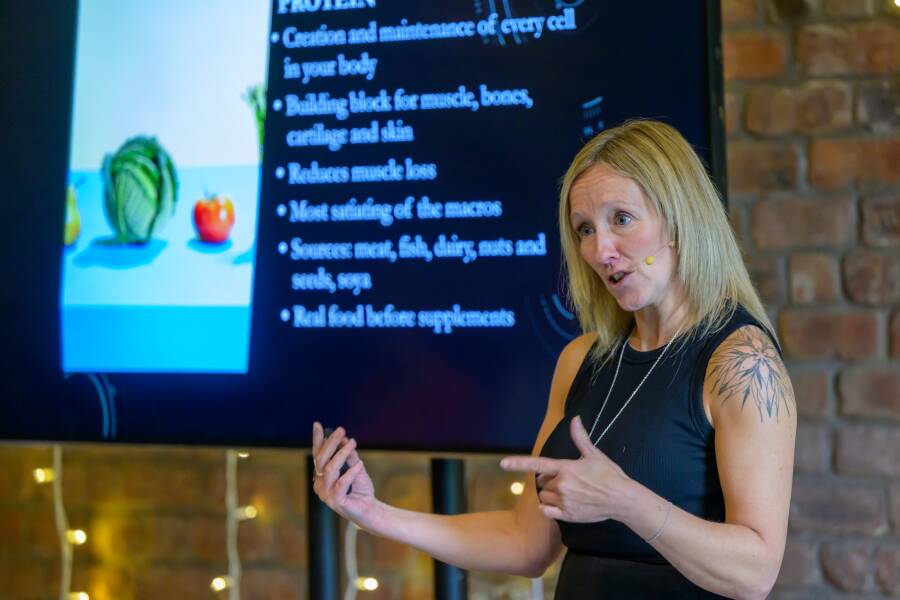
Better health starts with you. While you may not always be able to cure a condition or eliminate symptoms, you can make changes to feel better. Research shows that even simply choosing to take an active role in your health can improve how you feel.
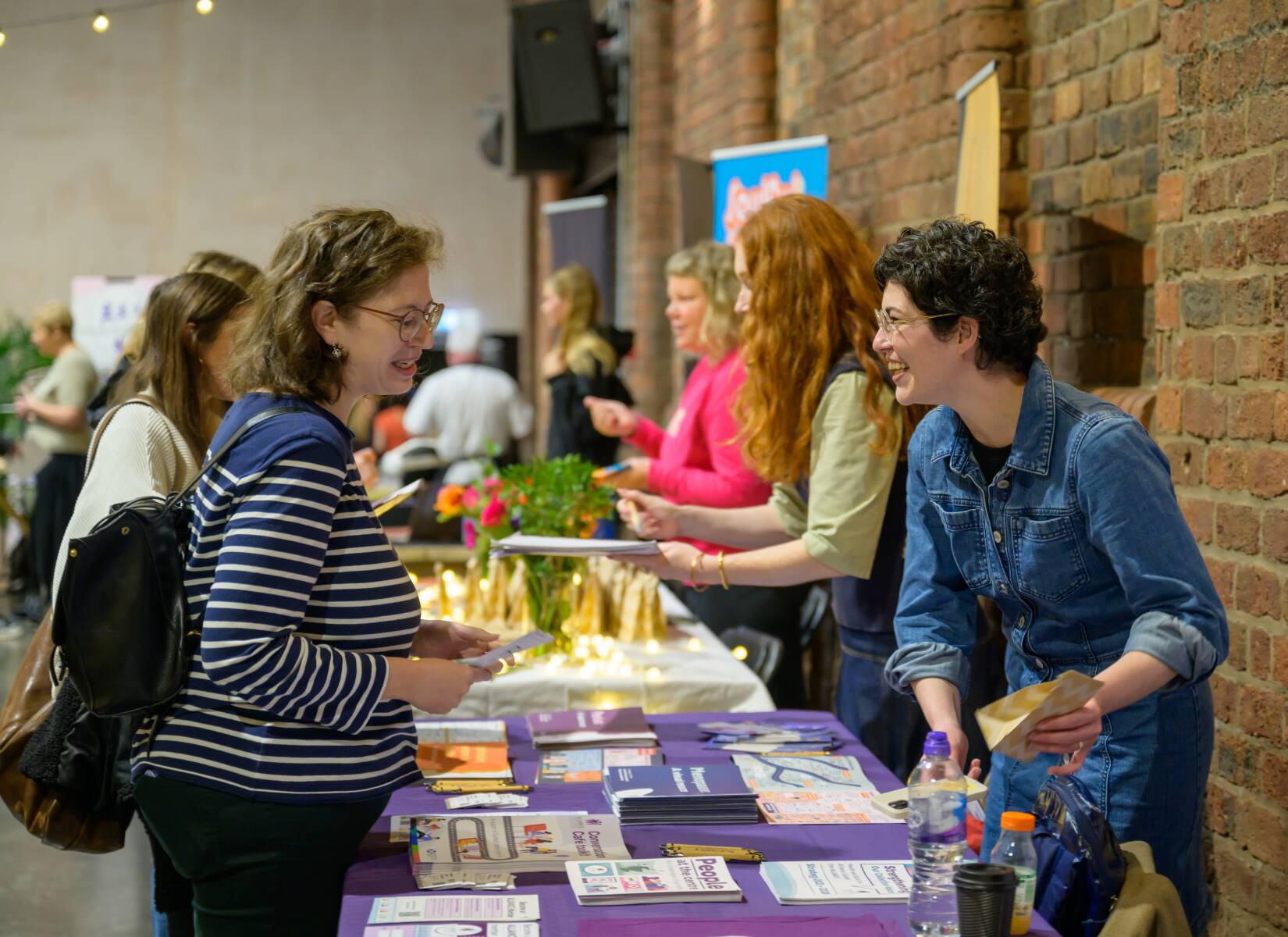
Product Advice
Products, services, books, apps – clinically reviewed, trusted by us, loved by women. We don't receive any commission so it's honest recommendations without the sales pitch. Click on the sections below to get recommendations.
The world’s first in-cubicle menstrual cup and disc washer. Free to use. Permanently installed. Designed for real life. Learn More
Learn about your health: periods, women’s bodies, and conditions like endometriosis, PCOS, and more. Learn More
Better health starts with you. While you may not always be able to cure a condition or eliminate symptoms, you can make changes to feel better. Research shows that even simply choosing to take an active role in your health can improve how you feel. Learn More

Products, services, books, apps – clinically reviewed, trusted by us, loved by women. We don't receive any commission so it's honest recommendations without the sales pitch. Click on the sections below to get recommendations. Learn More


Blogs
Your monthly dose of women’s health: the latest research, wellness tips, and must-try products.