PMDD Diagnosis
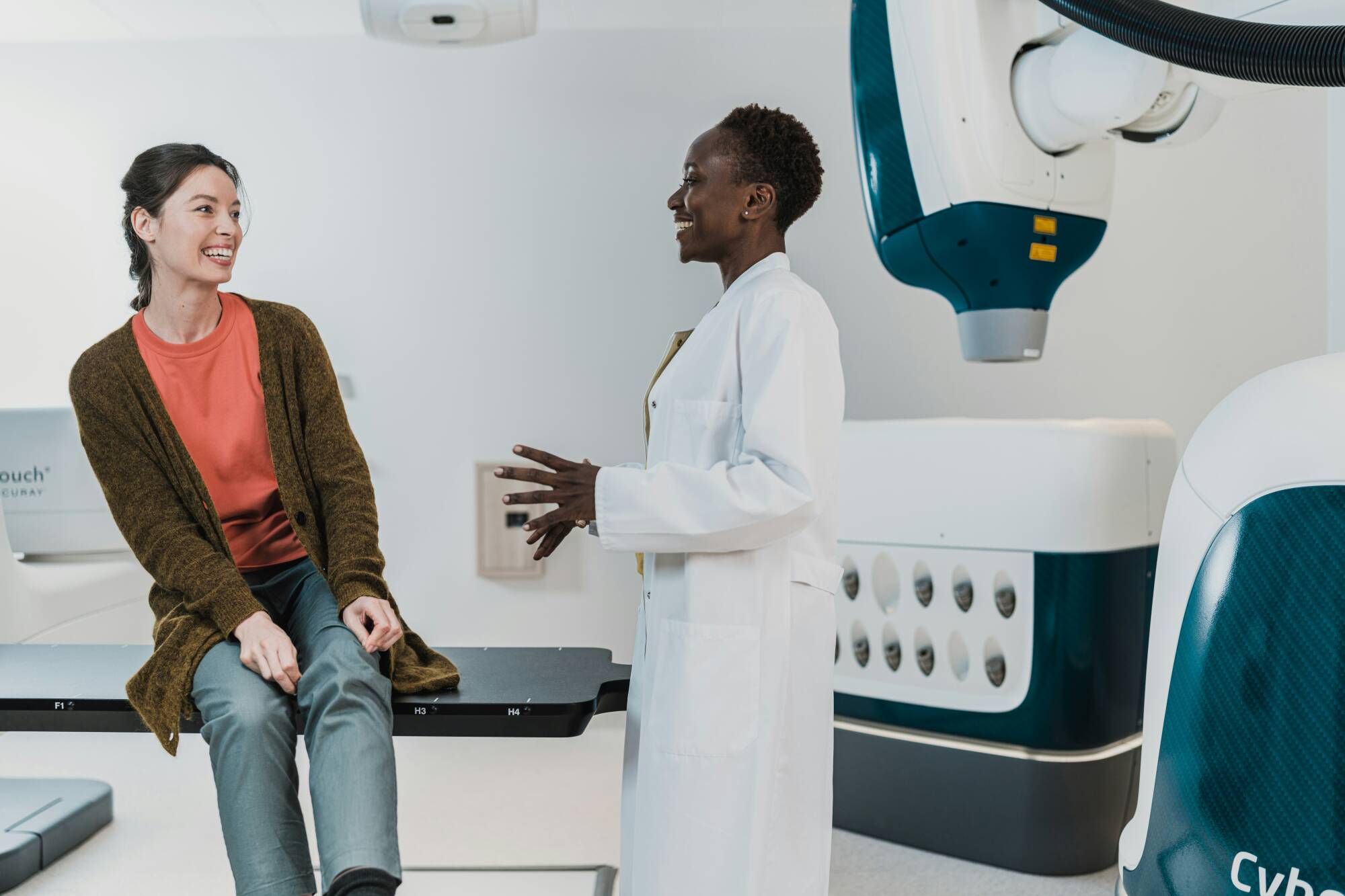
Early diagnosis of PMDD is key to protecting your health and quality of life, but it can be challenging and slow.
If your symptoms are affecting your life, it’s time to speak to a doctor.
In this section, we’ll explain how PMDD is diagnosed and how to prepare for your doctors appointment to get a faster diagnosis and the support you need in the meantime.
How will your Doctor diagnose PMDD?
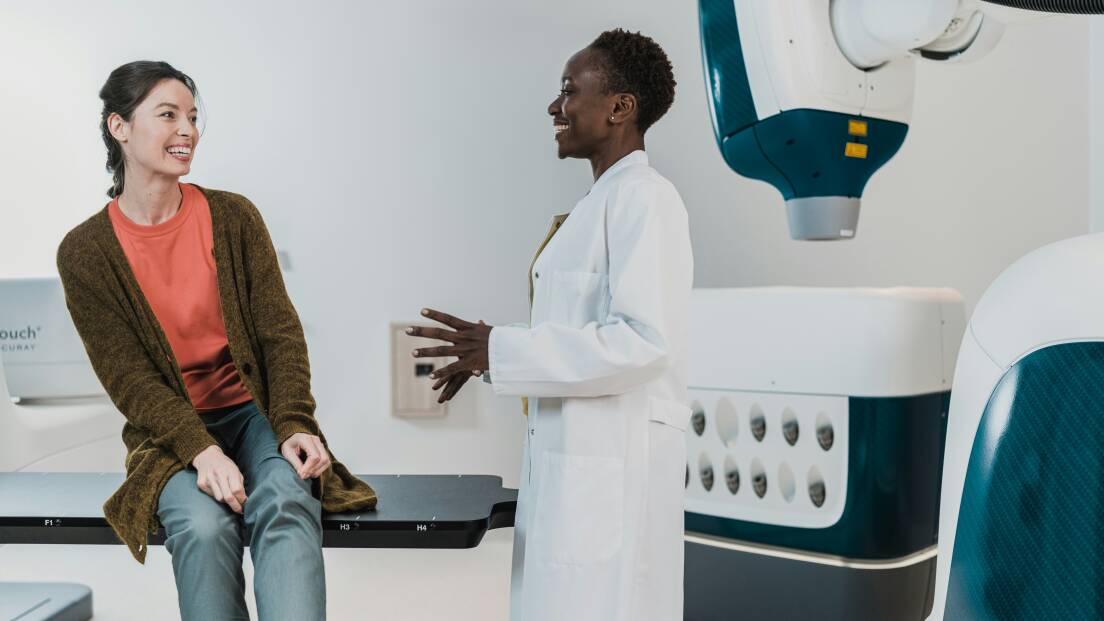
The best place to start if you think you might have PMDD is by speaking to your GP.
Before your appointment:
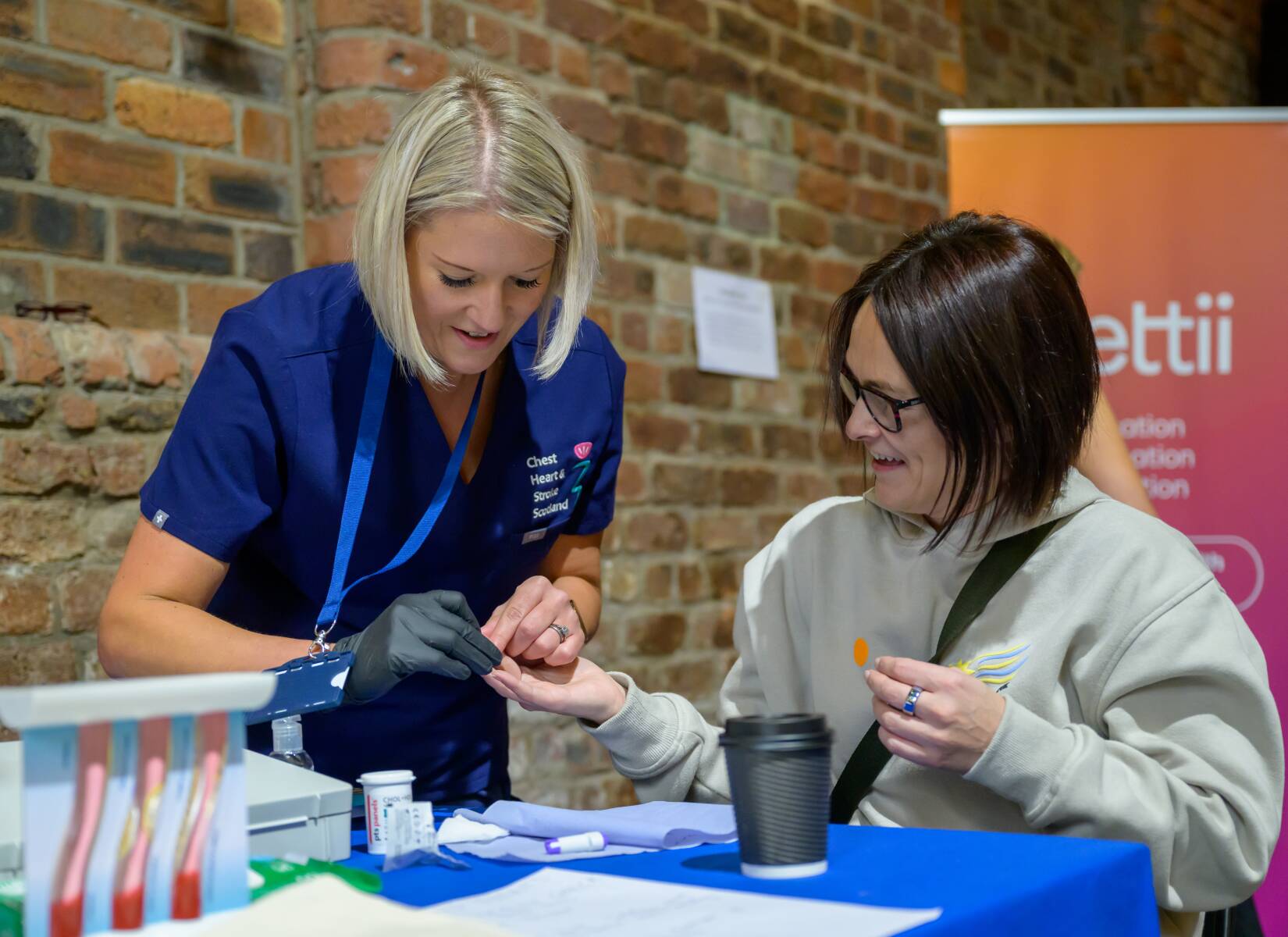
Record and bring a detailed note of your symptoms from at least two months, either in a diary, printed out, or from your phone.
Take the guidelines with you. It can be helpful to read the official guidelines and take them with you to your GP appointment. The NHS follows care standards set by an organisation called NICE (National Institute for Health and Care Excellence). Reading the NICE guidelines for PMS assessment and management can help you understand what care you should expect. The charity NAPS (National Association for Premenstrual Syndromes) also provides detailed guidance on PMS. Both sets of guidelines include PMDD, although it is referred to as 'severe PMS'.
To better understand your symptoms, your GP may:
Ask about your medical history, including any history of mental health conditions.
Ask about your lifestyle — for example, whether you smoke or drink alcohol, and your current weight.
Carry out a physical examination and arrange blood tests to rule out other possible medical conditions.
You may be asked to track your symptoms over several months, which can make the process feel slow. Waiting for a diagnosis and treatment can be frustrating, especially when you're already struggling. But tracking is an important step to help ensure you get the right support and care.
Make sure to clearly express the severity of your symptoms to your GP. This can help you access the support you need while you're waiting for a diagnosis.
Visit Mind UK for more on getting a PMDD diagnosis and self care steps while awaiting treatment.
Alternatives - Paying for a Diagnosis
Whilst NHS care should be your initial method of approach, many women seek alternative paths to diagnosis, but these do cost money.
Alternative Option: Using Private Healthcare
As NHS wait times grow, more people are turning to private healthcare. If you already have private insurance or can afford to pay out-of-pocket, it’s an option worth considering, but research is essential. Always confirm with your insurance provider if PMDD is covered and what specific services (e.g. scans, tests, surgeries) are included. Keep in mind that even with private cover, there may still be out-of-pocket fees.
Private healthcare can offer quicker access to consultations, tests, diagnostics, and surgical procedures. Some private hospitals may have doctors who specialise in mental health, gynaecology or endocrinology.
Pros:
Reduces wait times for consultations and tests.
Choose your PMDD specialist and preferred hospital.
Access a multi-disciplinary team.
Some tests may be performed on the same day.
Faster test result turnaround compared to the NHS.
Access to pain clinics.
Access to specialist treatments and drugs that may not be available through the NHS.
Faster diagnosis or treatment can improve quality of life.
Many clinics offer payment plans.
Cons:
Costs can add up quickly; initial consultations range from £170 to £250 or more.
You may need a doctor’s letter for further tests, even if you self-refer - check with the hospital.
Some NHS doctors may still require an NHS appointment for diagnosis despite private results.
Certain tests are costly—always clarify costs before proceeding.
Bettii Tips:
Speak to your GP: Ask about private healthcare options and how they may affect your NHS access.
Still accept the NHS gynaecologist appointment if offered: It may still be necessary to see the NHS gynaecologist. You can always cancel if needed.
Shop around: Explore clinics, enquire about costs and payment plans. They are usually very friendly and rarely pushy.
Private consultation: Consider a private consultation for expert or second opinions. You can then be referred back to the NHS with a clearer plan.
Consider your budget: Determine what you can afford. You might speed up tests privately and return to the NHS for more expensive procedures.
The Bettii Washer
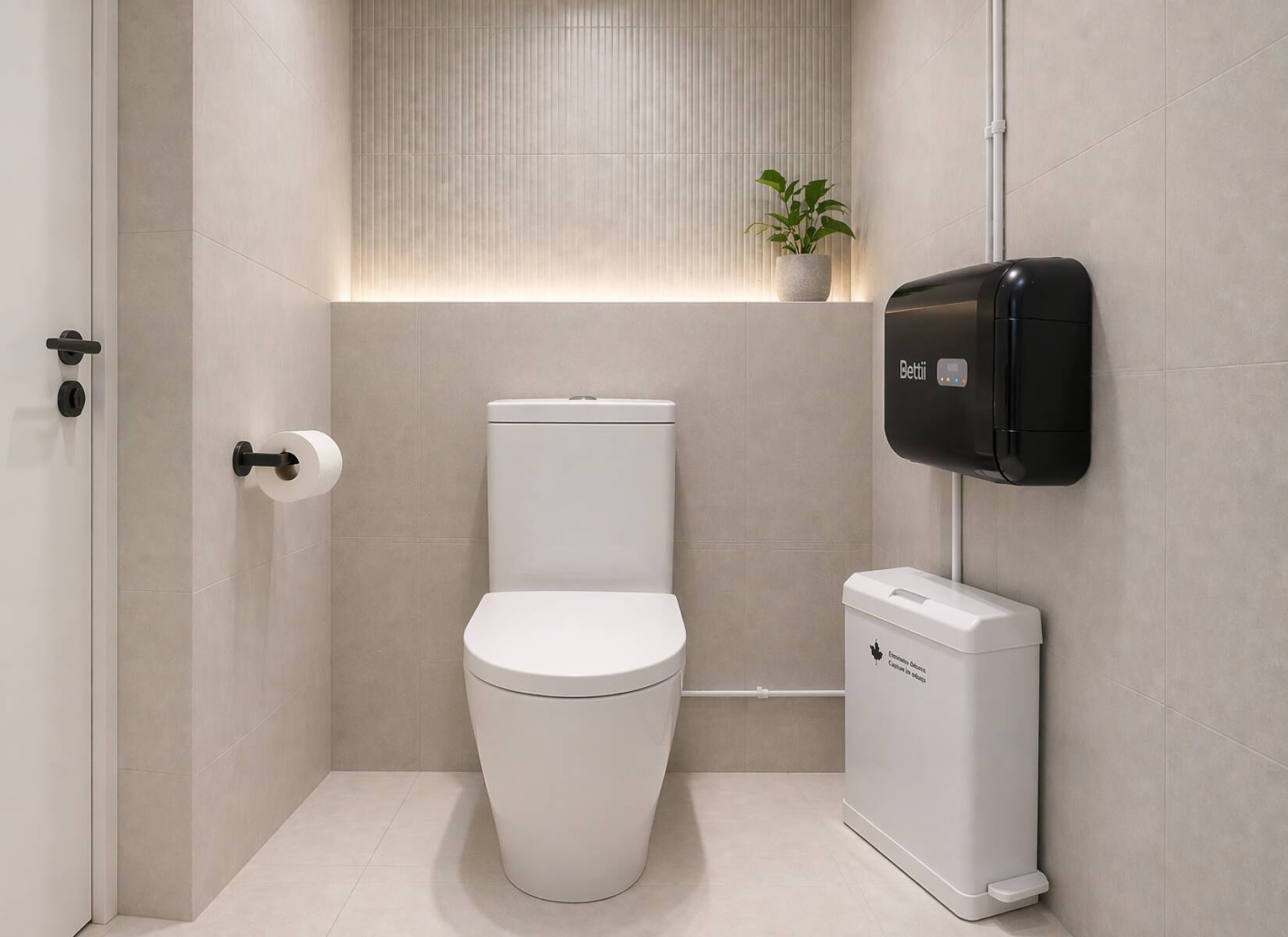
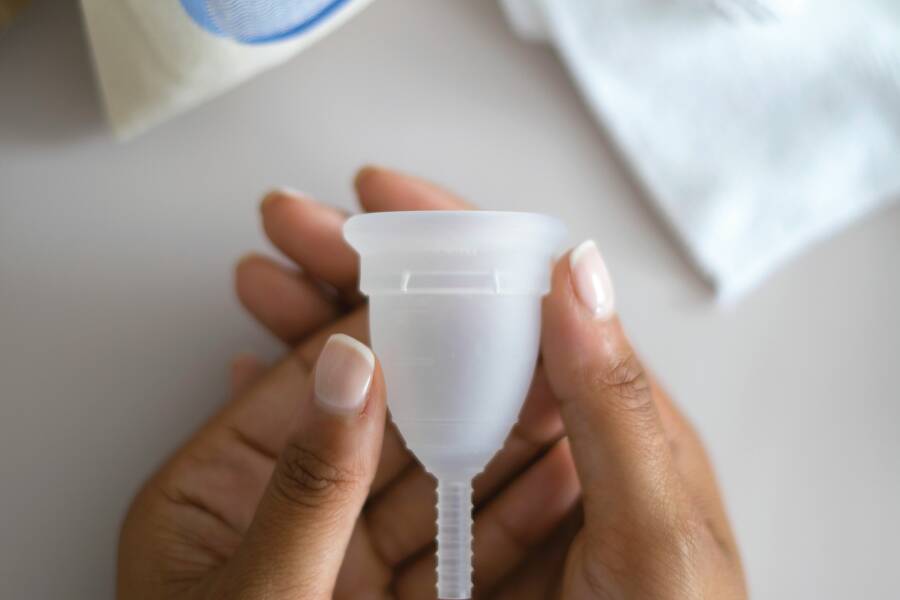
The world’s first in-cubicle menstrual cup and disc washer. Free to use. Permanently installed. Designed for real life.
Your Health
Learn about your health: periods, women’s bodies, and conditions like endometriosis, PCOS, and more.

Lifestyle Help
Better health starts with you. While you may not always be able to cure a condition or eliminate symptoms, you can make changes to feel better. Research shows that even simply choosing to take an active role in your health can improve how you feel.

Product Advice
Products, services, books, apps – clinically reviewed, trusted by us, loved by women. We don't receive any commission so it's honest recommendations without the sales pitch. Click on the sections below to get recommendations.
The world’s first in-cubicle menstrual cup and disc washer. Free to use. Permanently installed. Designed for real life. Learn More
Learn about your health: periods, women’s bodies, and conditions like endometriosis, PCOS, and more. Learn More
Better health starts with you. While you may not always be able to cure a condition or eliminate symptoms, you can make changes to feel better. Research shows that even simply choosing to take an active role in your health can improve how you feel. Learn More


Products, services, books, apps – clinically reviewed, trusted by us, loved by women. We don't receive any commission so it's honest recommendations without the sales pitch. Click on the sections below to get recommendations. Learn More


Blogs
Your monthly dose of women’s health: the latest research, wellness tips, and must-try products.