PCOS Diagnosis
Early diagnosis of PCOS is key to protecting your health, but it can be challenging and slow. Symptoms often start in your early 20s or after stopping the contraceptive pill, which can often mask your symptoms. Shockingly, around 70% of women with PCOS are never diagnosed. We don’t think that’s okay.
If your symptoms are affecting your life, it’s time to speak to a doctor.
In this section, we’ll explain how PCOS is diagnosed and how to prepare for your doctors appointment to get a faster diagnosis and the support you need.
How will your Doctor diagnose PCOS?
There's no single test to diagnose PCOS. As with similar conditions, its a process of deduction which can involve you being asked a number of questions and conducting various tests.
Doctors only require two of the three following features to be present to diagnose PCOS:
Irregular periods - this will be your account of your menstrual cycle and fertility
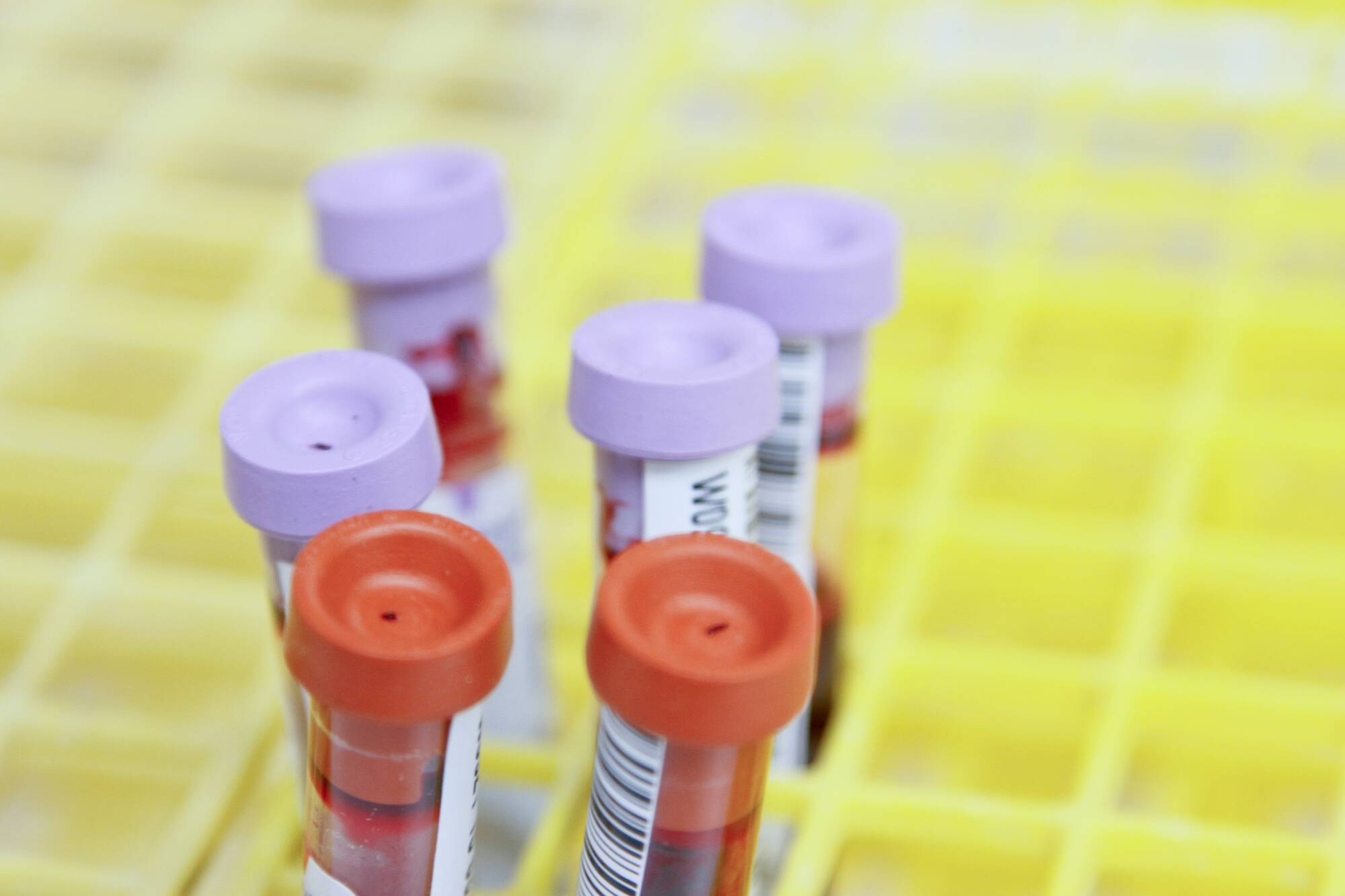
High levels of testosterone - diagnosed from a blood test or suggested by symptoms such as excess hair
Polycystic ovaries – diagnosed by an ultrasound identifying the presence of fluid filled sacs (follicles). Despite the name, you do not actually have cysts if you have PCOS. If an ultrasound is unavailable, an AMH blood test can be used to suggest the presence of follicles however this isnt widely availble on the NHS. However, whilst a high reading is a good indicator of PCOS it doesnt, on its own, confirm it and should be considered with other symptoms.
Doctors may also conduct a pelvic examination, check your blood pressure, weight, insulin and cholesterol levels. They may also discuss your mental health and your sleep patterns.
Alternatives - Paying for PCOS tests
You should be able to get a PCOS diagnosis through the NHS. However, access to some diagnostic tools can be limited, and wait times long.
Many private “PCOS tests” sold online are expensive and cannot give you a reliable diagnosis on their own. Be cautious, most do not meet the standards set out in international clinical guidelines.
One exception is the AMH (Anti-Müllerian Hormone) test, which is included in the international PCOS Guidelines as one part of the diagnostic process.
What to consider:
If you're experiencing irregular periods and signs of high androgens (either on a blood test or through excess hair growth), a diagnosis can often be made without further testing.
If an ultrasound is needed but you're facing long waits or find scans uncomfortable or distressing, paying for an AMH test privately may be a helpful alternative.
Getting the best from your doctors appointment
Engaging with the Medical Profession Can Be Tough
We get it. Talking to doctors about your symptoms isn’t always easy. That’s why preparation and confidence are key, even when you are going down the private route. Read our 'Making Yourself Heard' (LINK) guide for PCOS to prepare for your appointment.
PCOS Symptoms & Tracking
Tracking PCOS symptoms is key to faster diagnosis and better treatment, as symptoms vary from person to person. Keeping a detailed symptom log helps your doctor understand your condition better.
PCOS Diagnosis
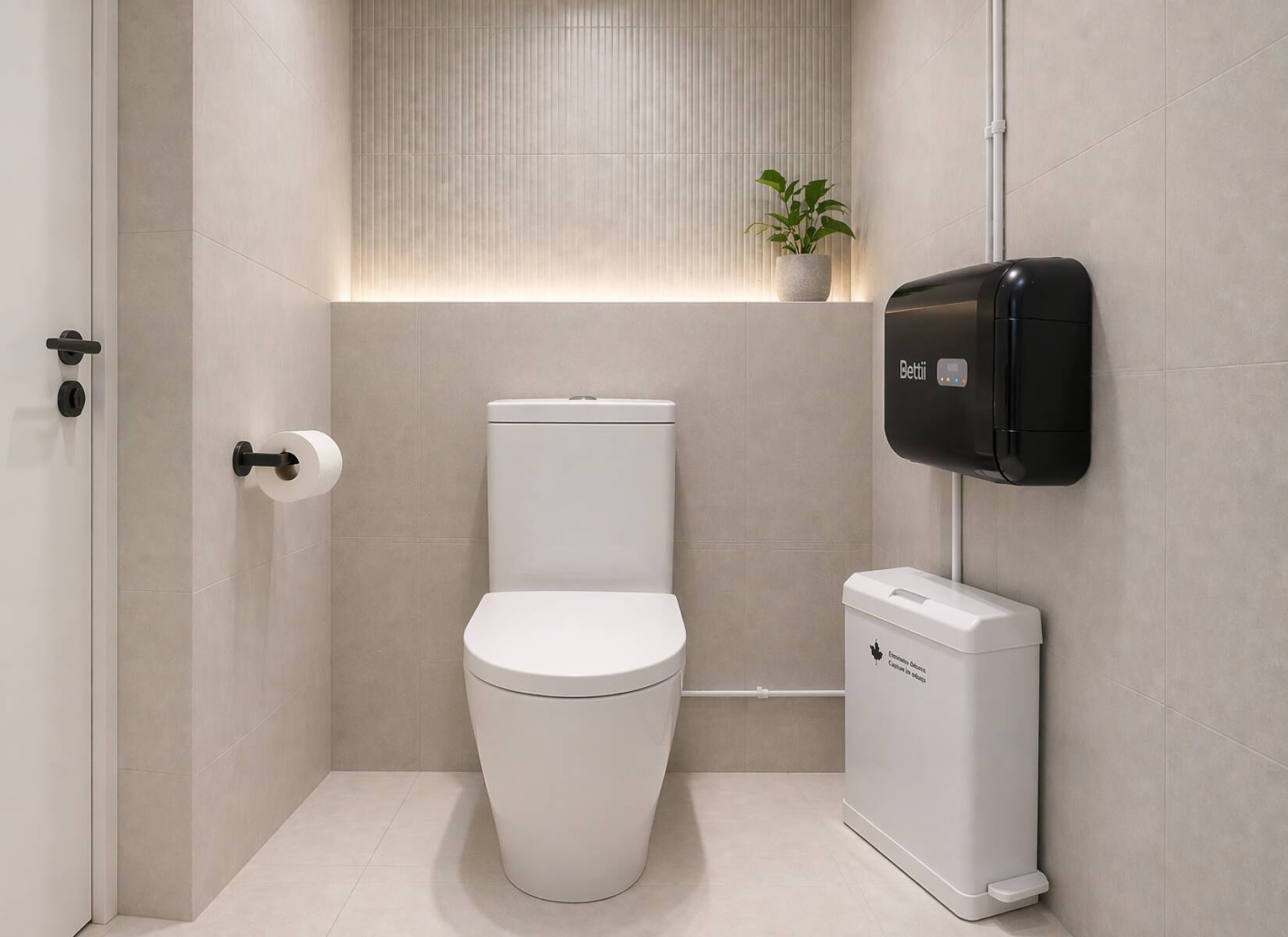
The world’s first in-cubicle menstrual cup and disc washer. Free to use. Permanently installed. Designed for real life.
PCOS Diagnosis
Learn about your health: periods, women’s bodies, and conditions like endometriosis, PCOS, and more.

PCOS Diagnosis
Better health starts with you. While you may not always be able to cure a condition or eliminate symptoms, you can make changes to feel better. Research shows that even simply choosing to take an active role in your health can improve how you feel.

PCOS Diagnosis
Products, services, books, apps – clinically reviewed, trusted by us, loved by women. We don't receive any commission so it's honest recommendations without the sales pitch. Click on the sections below to get recommendations.
The world’s first in-cubicle menstrual cup and disc washer. Free to use. Permanently installed. Designed for real life. Learn More
Learn about your health: periods, women’s bodies, and conditions like endometriosis, PCOS, and more. Learn More
Better health starts with you. While you may not always be able to cure a condition or eliminate symptoms, you can make changes to feel better. Research shows that even simply choosing to take an active role in your health can improve how you feel. Learn More


Products, services, books, apps – clinically reviewed, trusted by us, loved by women. We don't receive any commission so it's honest recommendations without the sales pitch. Click on the sections below to get recommendations. Learn More


Blogs
Your monthly dose of women’s health: the latest research, wellness tips, and must-try products.