Endometriosis Symptoms & Tracking
Tracking endometriosis symptoms is critical for faster diagnosis & treatment due to overlapping symptoms with other conditions.
Explore NHS pathways for diagnosing endometriosis, including NICE guidelines and specialist centres. Consider paid options like non-invasive tests such as Endosure or Ziwig, and private healthcare. Learn about ultrasounds, MRIs, and laparoscopies, and tips for maximising doctor appointments.
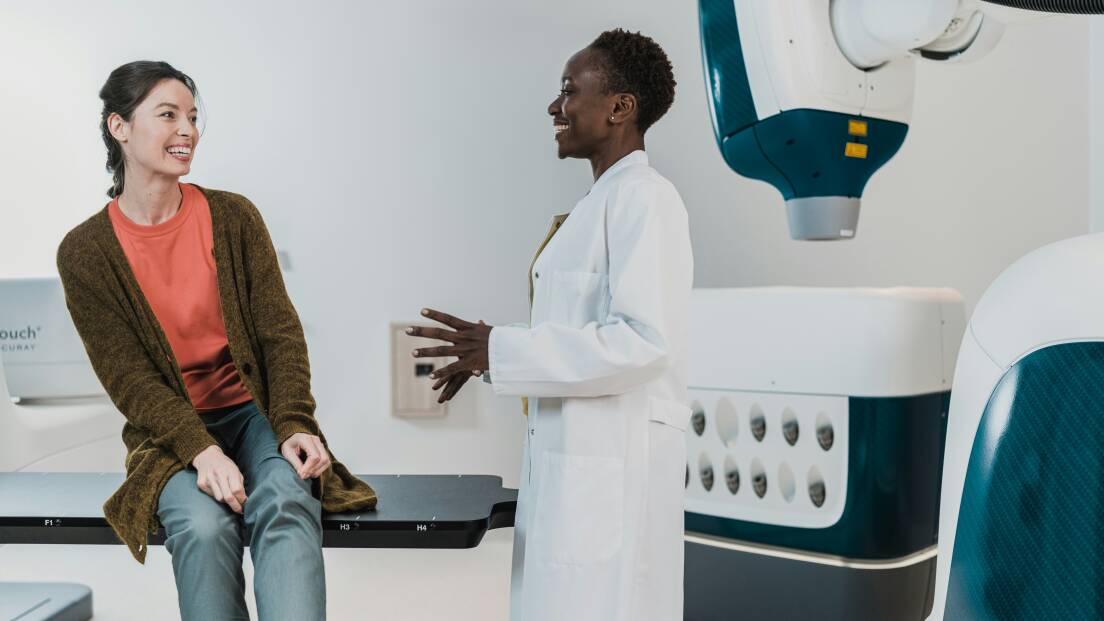
GPs rarely diagnose Endometriosis directly but will discuss symptoms, perform a physical exam, and may recommend an ultrasound, MRI, or a referral to a gynaecologist.
It’s important to ask your GP to refer you to a healthcare professional with experience in Endometriosis for appropriate assessment. Different tests can detect different forms of the condition, and no single scan can rule it out completely.
Ultrasound: Detects ovarian cysts (endometriomas) and deep Endometriosis but is highly dependent on operator skill. If Endometriosis is not found, and your symptoms continue, ask for an MRI.
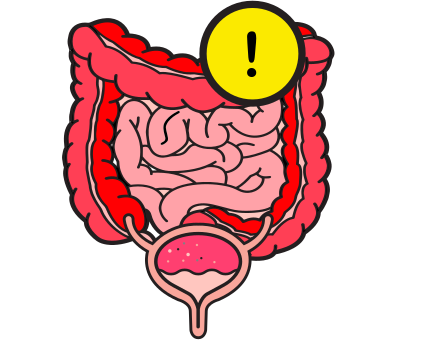
MRI: An MRI can help identify deep infiltrating endometriosis, particularly when organs like the bowel or bladder are affected.
Laparoscopy: A laparoscopy is currently considered the gold standard for diagnosing endometriosis because it allows specialists to directly see and biopsy any endometriosis tissue. Even if your ultrasound and MRI results come back normal, you can still discuss the possibility of a laparoscopy with your healthcare provider if your symptoms persist.

The NHS are guided by an organisation called NICE on standards of care. Read the NICE guidelines for Endometriosis diagnosis and treatment so you know what the reccomendations are.
There are also a number of Endometriosis specialist centres in the UK. Your GP or gynaecologist has to make the referral to these clinics. However, it’s good to find the closest one to you and look at their website. Find BSGE Accredited Endometriosis Centres in the UK
Endometriosis can only be definitively confirmed through surgery. However, doctors can make an informed diagnosis based on a thorough medical evaluation, gynaecologist support, and scans. Due to long NHS wait times and a shortage of NHS Endometriosis specialists, this process can, unfortunately, take a considerable amount of time.
However, there are alternative paths to diagnosis that you can consider but these do cost money.
Diagnosing endometriosis can often be a long and complex process. Currently, laparoscopy remains the gold standard for diagnosis, though it is an invasive procedure.
In recent years, newer non-invasive tests have begun to emerge, offering the potential for quicker and less invasive diagnosis. However, it’s important to be aware that these tests are not yet widely recognised or consistently used across the medical community.
Because of this, approaches to diagnosis can vary, and not all healthcare professionals may support or rely on these newer methods.
Endometriosis can be a debilitating condition, and it’s completely understandable to seek faster or more accessible answers. However, it’s important to approach newer diagnostic options with caution and to discuss them thoroughly with a qualified healthcare professional before proceeding.
As NHS wait times grow, more people are turning to private healthcare. If you already have private insurance or can afford to pay out-of-pocket, it’s an option worth considering, but research is essential.
Private healthcare can offer quicker access to consultations, tests, diagnostics, and surgical procedures. Some private hospitals specialise in Endometriosis care and pain management.
Always confirm with your insurance provider if Endometriosis is covered and what specific services (e.g. scans, tests, surgeries) are included. Keep in mind that even with private cover, there may still be out-of-pocket fees.
Speak to your GP: Ask about private healthcare options and how they may affect your NHS access.
Still accept the NHS gynaecologist appointment: It may still be necessary to see the NHS gynaecologist and wait times can be long so get yourself onto the list. You can always cancel.
Shop around: Explore clinics, enquire about costs and payment plans. They are usually very friendly and rarely pushy.
Private consultation: Consider using private healthcare just for a private consultation to get expert or second opinions. You can then be referred back to the NHS with a clear plan.
Consider your budget: Determine what you can afford. You might speed up diagnosis by doing some tests privately then return to the NHS for more expensive procedures.
Engaging with the Medical Profession Can Be Tough
We get it. Talking to doctors about your pain and other symptoms isn’t always easy. That’s why preparation and confidence are key, even when you are going down the private route. Read our 'Making Yourself Heard' (LINK) guide for Endometriosis to prepare for your appointment and learn what to do if you dont feel listened to.
Hormonal treatments: These aim to reduce or stop periods, which can slow the growth of Endometriosis. Options include the combined pill, progestogen-only methods (like the injection, implant, or mini pill), the hormonal coil (IUS), or GnRH analogues.
Pain relief: prescribed options such as mefenamic acid or naproxen.
Surgery: This may involve removing or destroying patches of Endometriosis tissue (laparoscopic excision or ablation), or in more severe cases, removing affected organs like part of the bowel or womb (hysterectomy). Surgery can help, but it isn’t always a permanent solution.
Specialist care: If your endometriosis affects organs like the bowel or bladder, you may be referred to a specialist Endometriosis centre for expert treatment.
Tracking endometriosis symptoms is critical for faster diagnosis & treatment due to overlapping symptoms with other conditions.

Pain is complex and multifaceted. That's why combining medication with supportive at-home products offers more effective, lasting relief. Real care looks at the whole picture.

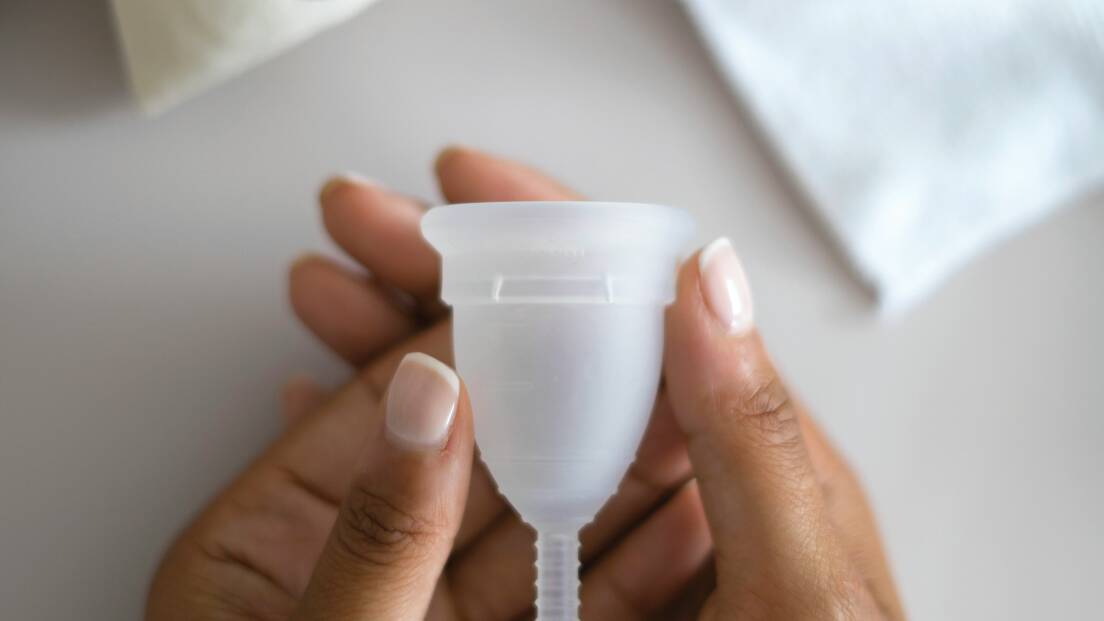
From Cups and Discs to Pads and Tampons
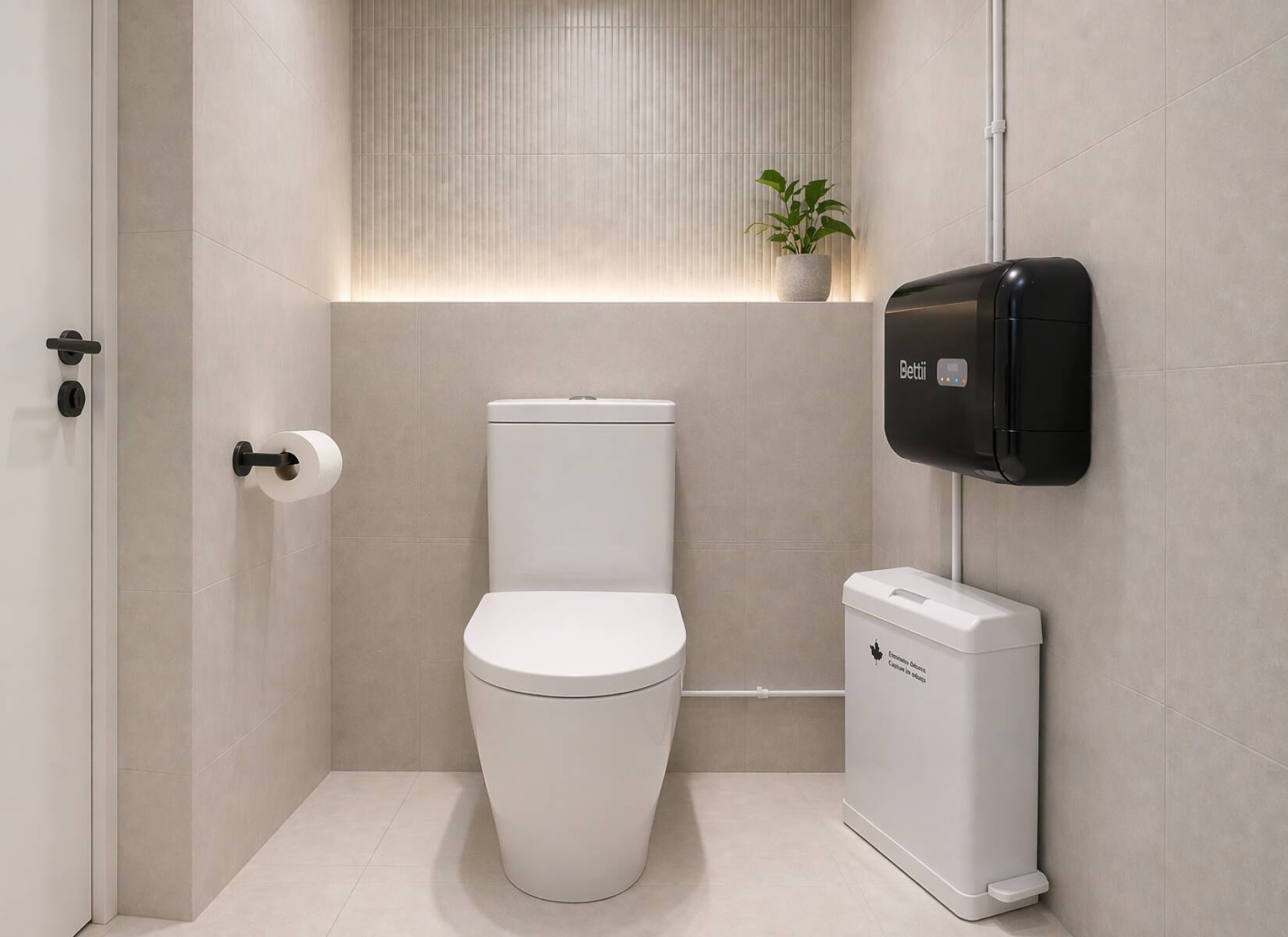
The world’s first in-cubicle menstrual cup and disc washer. Free to use. Permanently installed. Designed for real life.
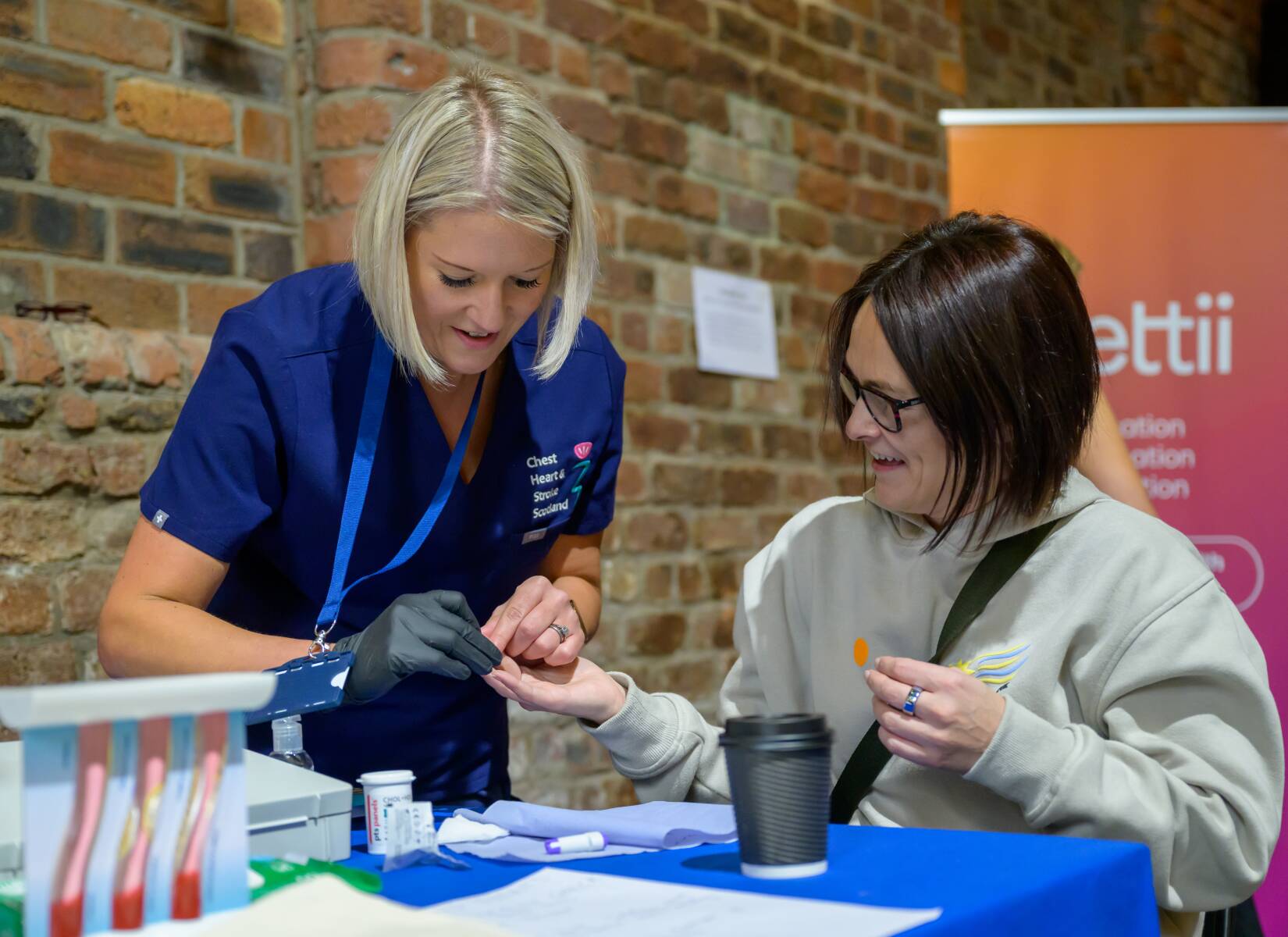
Learn about your health: periods, women’s bodies, and conditions like endometriosis, PCOS, and more.

Better health starts with you. While you may not always be able to cure a condition or eliminate symptoms, you can make changes to feel better. Research shows that even simply choosing to take an active role in your health can improve how you feel.

Products, services, books, apps – clinically reviewed, trusted by us, loved by women. We don't receive any commission so it's honest recommendations without the sales pitch. Click on the sections below to get recommendations.
The world’s first in-cubicle menstrual cup and disc washer. Free to use. Permanently installed. Designed for real life. Learn More
Learn about your health: periods, women’s bodies, and conditions like endometriosis, PCOS, and more. Learn More
Better health starts with you. While you may not always be able to cure a condition or eliminate symptoms, you can make changes to feel better. Research shows that even simply choosing to take an active role in your health can improve how you feel. Learn More
Products, services, books, apps – clinically reviewed, trusted by us, loved by women. We don't receive any commission so it's honest recommendations without the sales pitch. Click on the sections below to get recommendations. Learn More
Your monthly dose of women’s health: the latest research, wellness tips, and must-try products.