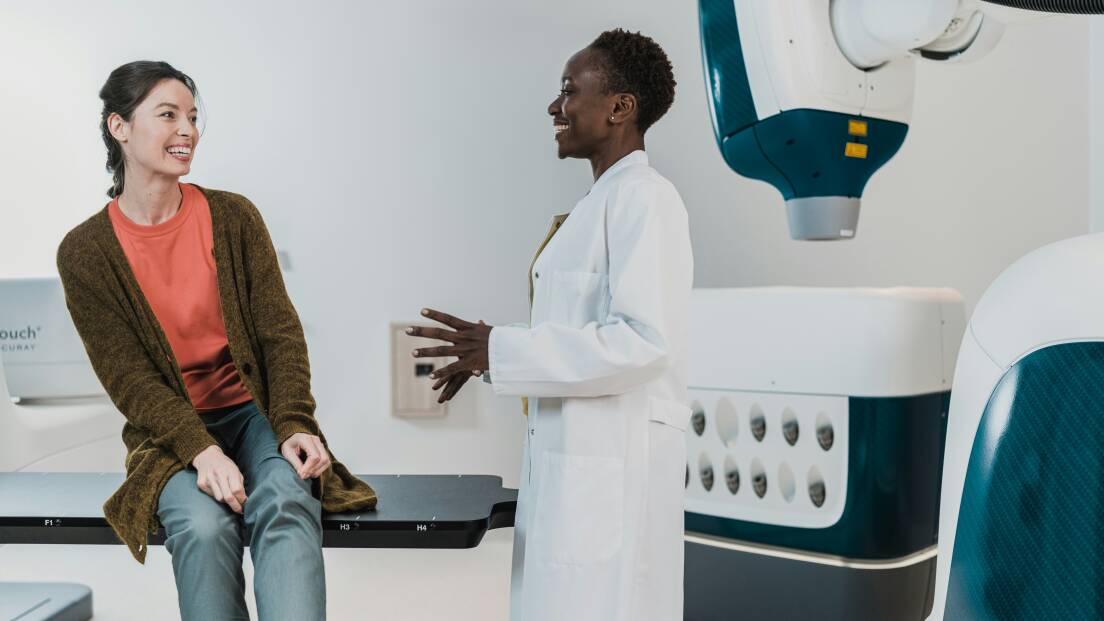
Adenomyosis Diagnosis
Early diagnosis of Adenomyosis is key to protecting your health and quality of life, but getting there can be slow and difficult, many aren’t diagnosed until their 30's.
We want to change this - so if your symptoms are affecting your life, it’s time to speak to a doctor.
In this section, we’ll explain how Adenomyosis is diagnosed and how to prepare for your doctors appointment to get a faster diagnosis and the support you need.
How will your Doctor diagnose Adenomyosis?
Adenomyosis can be difficult to diagnose, so your GP may initially focus on treating symptoms rather than identifying the root cause. But because this condition can significantly impact your quality of life, it's important to advocate for a proper diagnosis alongside symptom management.
To support the process, keep a detailed diary of your periods and symptoms to share with your doctor.
Your GP may begin with a pelvic exam and refer you for a transvaginal ultrasound (where a small probe is gently inserted into the vagina) or an MRI scan. These can sometimes show signs of Adenomyosis, but they’re not definitive.
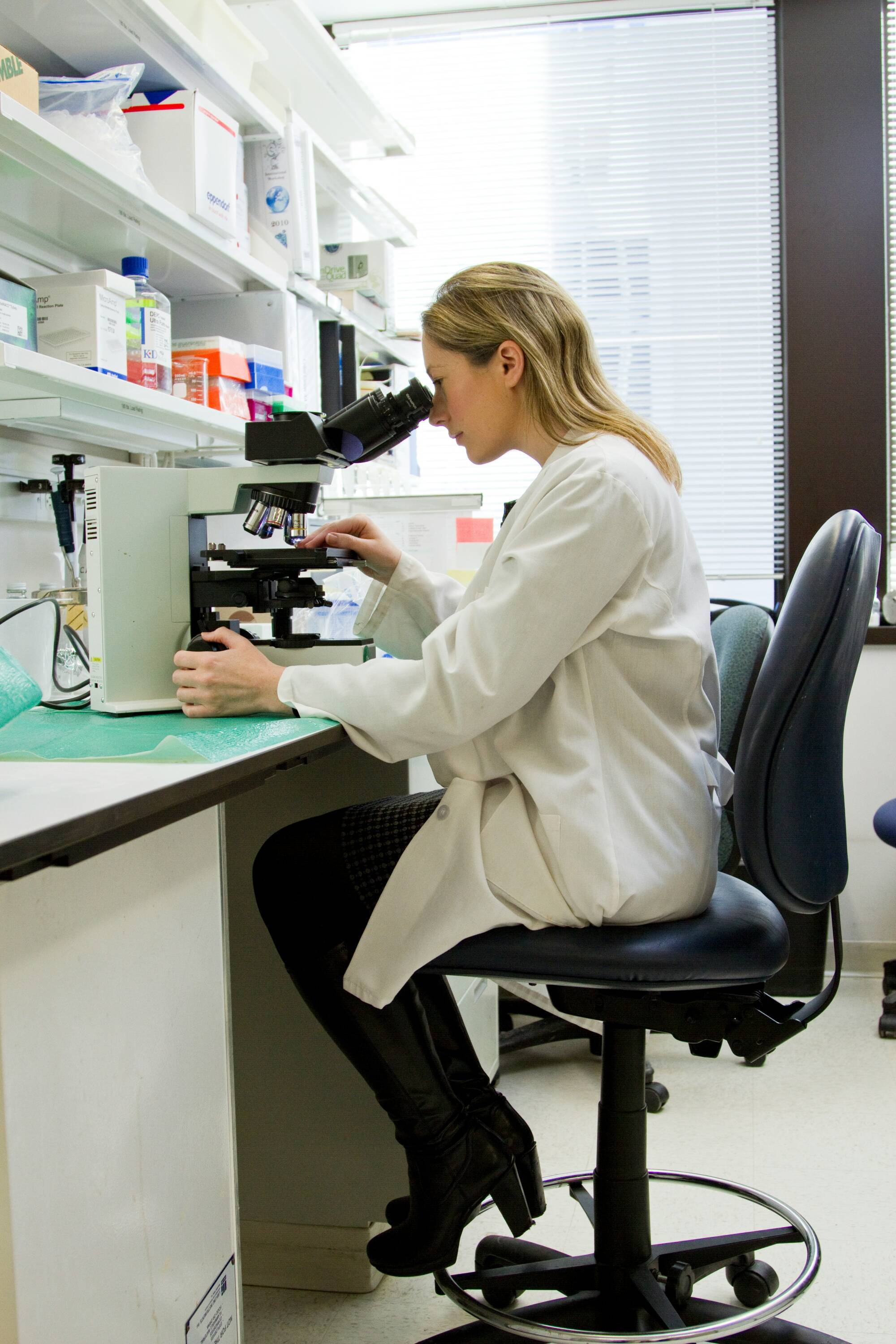
Currently, the only way to confirm the condition with certainty is by examining the uterus under a microscope after a hysterectomy; an invasive option that's rarely appropriate. Like many women's health conditions, diagnosis often comes through a process of elimination, combining your medical history, symptom patterns, and test results.
It can help to read through the NICE guidlines for Heavy Menstrual Bleeding prior to meeting your GP. NICE is an organisation that guides the NHS standards of care providing recommendations to your GP.
Alternatives - Paying for a Diagnosis
Whilst NHS care should be your initial method of approach, many women seek alternative paths to diagnosis, but these do cost money.
Alternative Option: Using Private Healthcare
As NHS wait times grow, more people are turning to private healthcare. If you already have private insurance or can afford to pay out-of-pocket, it’s an option worth considering, but research is essential.
Always confirm with your insurance provider if Adenomyosis is covered and what specific services (e.g. scans, tests, surgeries) are included. Keep in mind that even with private cover, there may still be out-of-pocket fees.
Private healthcare can offer quicker access to consultations, tests, diagnostics, and surgical procedures. Some private hospitals specialise in Adenomyosis care and pain management.
Pros:
Reduces wait times for consultations and tests.
Choose your Adenomyosis specialist and preferred hospital.
Access a multi-disciplinary team.
Some tests may be performed on the same day.
Faster test result turnaround compared to the NHS.
Access to pain clinics.
Access to specialist treatments and drugs that may not be available through the NHS.
Faster diagnosis or treatment can improve quality of life.
Many clinics offer payment plans.
Cons:
Costs can add up quickly; initial consultations range from £170 to £250 or more.
You may need a doctor’s letter for further tests, even if you self-refer - check with the hospital.
Some NHS doctors may still require an NHS gynaecologist visit despite private results.
Certain tests and surgeries are costly—always clarify costs before proceeding.

Adenomyosis Symptoms & Tracking
Tracking adenomyosis symptoms is critical for faster diagnosis & treatment due to overlapping symptoms with other conditions. Learn about keeping a detailed symptom log to provide medical professionals with vital insights.
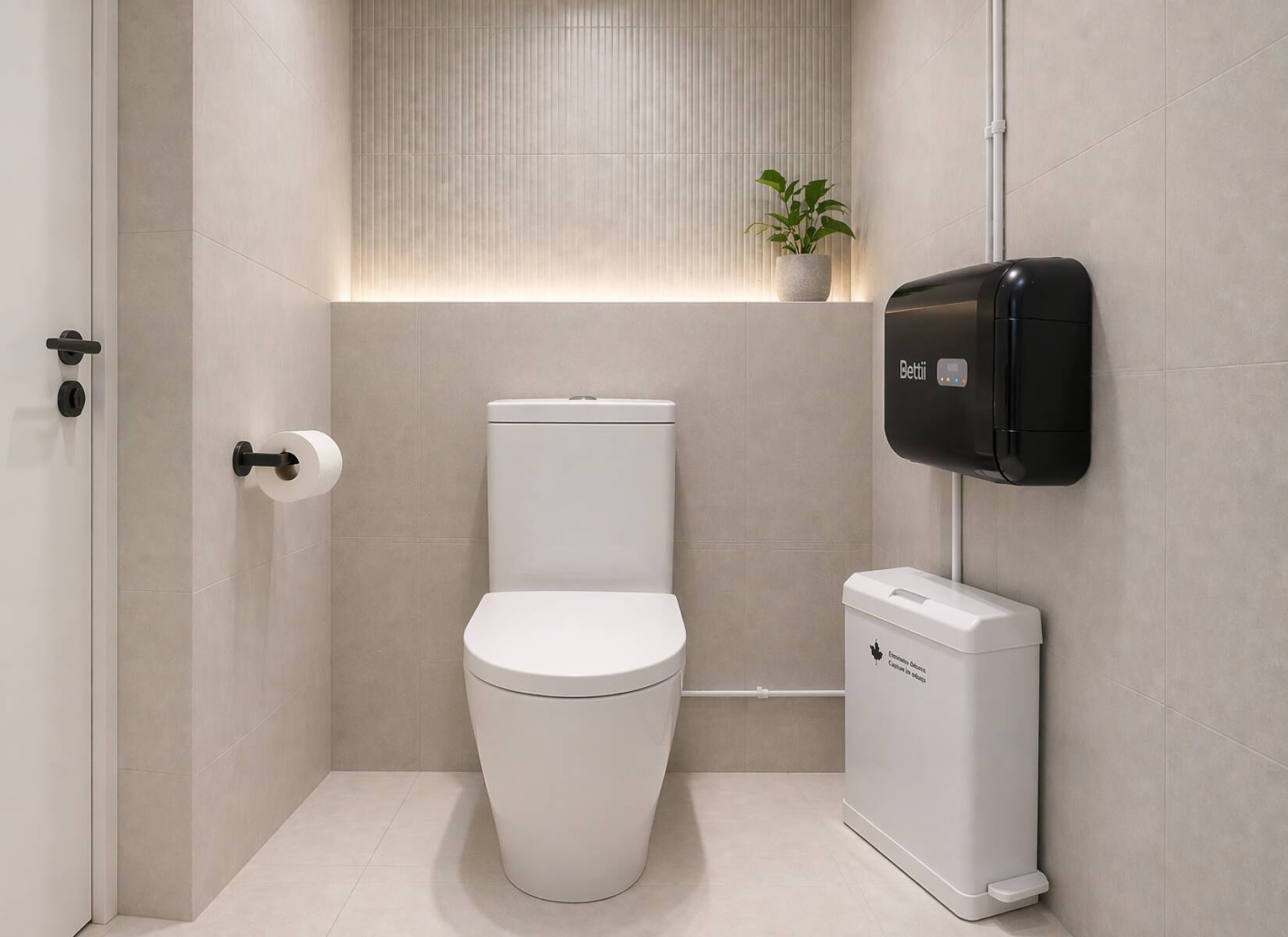
The Bettii Washer
The world’s first in-cubicle menstrual cup and disc washer. Free to use. Permanently installed. Designed for real life.
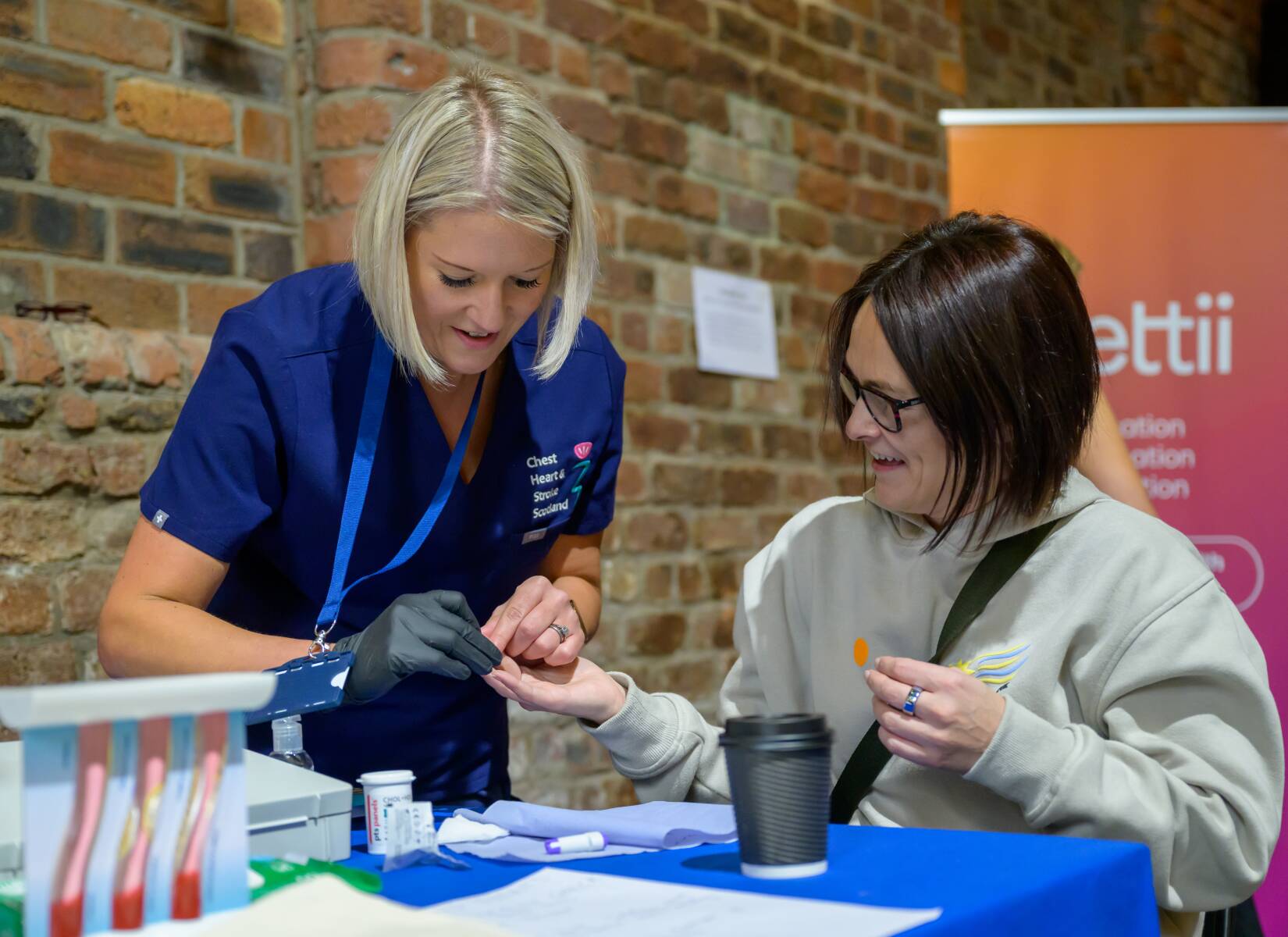
Your Health
Learn about your health: periods, women’s bodies, and conditions like endometriosis, PCOS, and more.

Lifestyle Help
Better health starts with you. While you may not always be able to cure a condition or eliminate symptoms, you can make changes to feel better. Research shows that even simply choosing to take an active role in your health can improve how you feel.

Product Advice
Products, services, books, apps – clinically reviewed, trusted by us, loved by women. We don't receive any commission so it's honest recommendations without the sales pitch. Click on the sections below to get recommendations.
The world’s first in-cubicle menstrual cup and disc washer. Free to use. Permanently installed. Designed for real life. Learn More
Learn about your health: periods, women’s bodies, and conditions like endometriosis, PCOS, and more. Learn More

Better health starts with you. While you may not always be able to cure a condition or eliminate symptoms, you can make changes to feel better. Research shows that even simply choosing to take an active role in your health can improve how you feel. Learn More



Products, services, books, apps – clinically reviewed, trusted by us, loved by women. We don't receive any commission so it's honest recommendations without the sales pitch. Click on the sections below to get recommendations. Learn More


Blogs
Your monthly dose of women’s health: the latest research, wellness tips, and must-try products.