Know Your Floors - 8 things you can do to help with incontinence

- Written by Suzanne Vernazza
- NHS Pelvic Health Physiotherapist, Founding Director of Know Your Floors CIC and creator of #squeezealong.
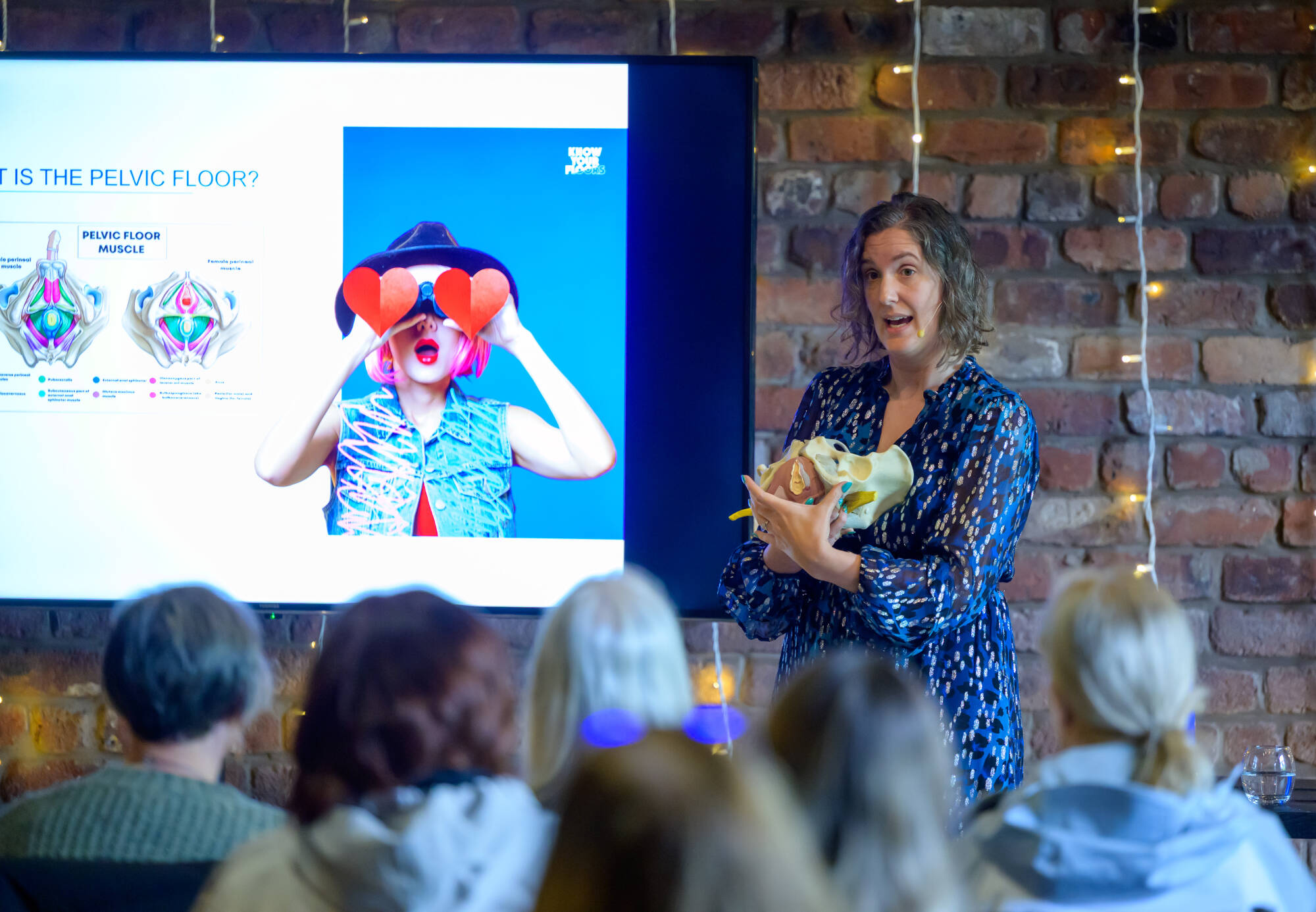
Here are some top tips from Suzanne at Know Your Floors of things that can help with incontinence:
Check the colour of your urine. It should be a straw colour during the day. If it is yellow you may need to drink more. If it is very clear you may be drinking too much.
Check your poo consistency. A soft sausage is ideal for most people. If you are passing small pellets you may be constipated. If so, try fruits with skins or kiwis, as they are great at keeping your bowel moving. If your poo is too runny it will be harder to keep in. Oats, psyllium and lentils can help to bulk your poo.
Add or remove caffeine. Caffeine is a bladder irritant and a bowel stimulant. If you have bladder and bowel urgency try cutting out caffeine and see if this helps. If you are constipated, caffeine may help to get your bowels moving.
Pelvic floor exercises. Start trying to be consistent and do them daily. It will take 6-12 weeks to see improvements in most cases so stick with them.
Avoid “just in case” wees. Your bladder is a storage unit and needs to practice holding. The odd “just in case” wee is ok, but if it has become your routine try to change this.
Sit on the toilet seat and use a stool under your feet. Mimicking a squatted position helps us to lengthen and relax the pelvic floor so we can empty the bladder and bowel better. Hovering over the toilet can result in not relaxing the pelvic floor fullyand result in incomplete bladder or bowel emptying.
Talk about incontinence. Ask for help from your doctor and ask for help if you are not seeing improvements. Incontinence can be considered taboo, but it is extremely common. By talking about it with friends and family we can feel less isolated and we are more likely to receive and help others seek the support they need.
Check your stress levels and breathe. Stress has a huge impact on your bladder, bowels and pelvic floor. You may have experienced this with increased need to go to the loo before exams or interviews. Working to improve stress and relaxing the pelvic floor with a relaxalong video are good starting points.