Cold Water Swimming for Women: Benefits, Risks, and What the Research Says
- Written by Eleanor Morris
- Marketing & Health Researcher
Across the UK, cold water swimming has exploded in popularity. From sunrise dips in Scottish lochs to brisk sea swims on the south coast, women everywhere are embracing the cold — not just for fitness, but for mental clarity, stress relief, and connection. What was once seen as an extreme hobby has become a movement, with local groups, social media challenges, and community events encouraging thousands to take the plunge.
When access to open water isn’t possible, cold plunges and ice baths have become the go-to alternative. From back gardens to boutique studios, these tubs of chilled water promise similar benefits — improved mood, better sleep, reduced inflammation, and faster recovery. But how much of this is grounded in science, and what does it really mean for women’s bodies?
Cold exposure triggers a range of physiological responses. Immersing in cold water causes blood vessels to constrict, reducing inflammation and swelling. When you warm up again, circulation improves, helping oxygen and nutrients move more efficiently through the body. This process can support muscle recovery and even help manage chronic pain.
For women, the effects go deeper. Many report that regular cold dips help with period pain and endometriosis symptoms, possibly due to reduced inflammation and improved blood flow to the pelvic area. Others find that cold exposure helps balance mood swings, reduce anxiety, and improve sleep quality by stimulating the parasympathetic nervous system — the part of the body responsible for rest and recovery.
However, cold water swimming isn’t without risks. Sudden immersion can place stress on the cardiovascular system, and for some women, particularly those with hormone or thyroid issues, it can disrupt body temperature regulation. Gradual exposure, proper breathing techniques, and never swimming alone are essential safety steps.
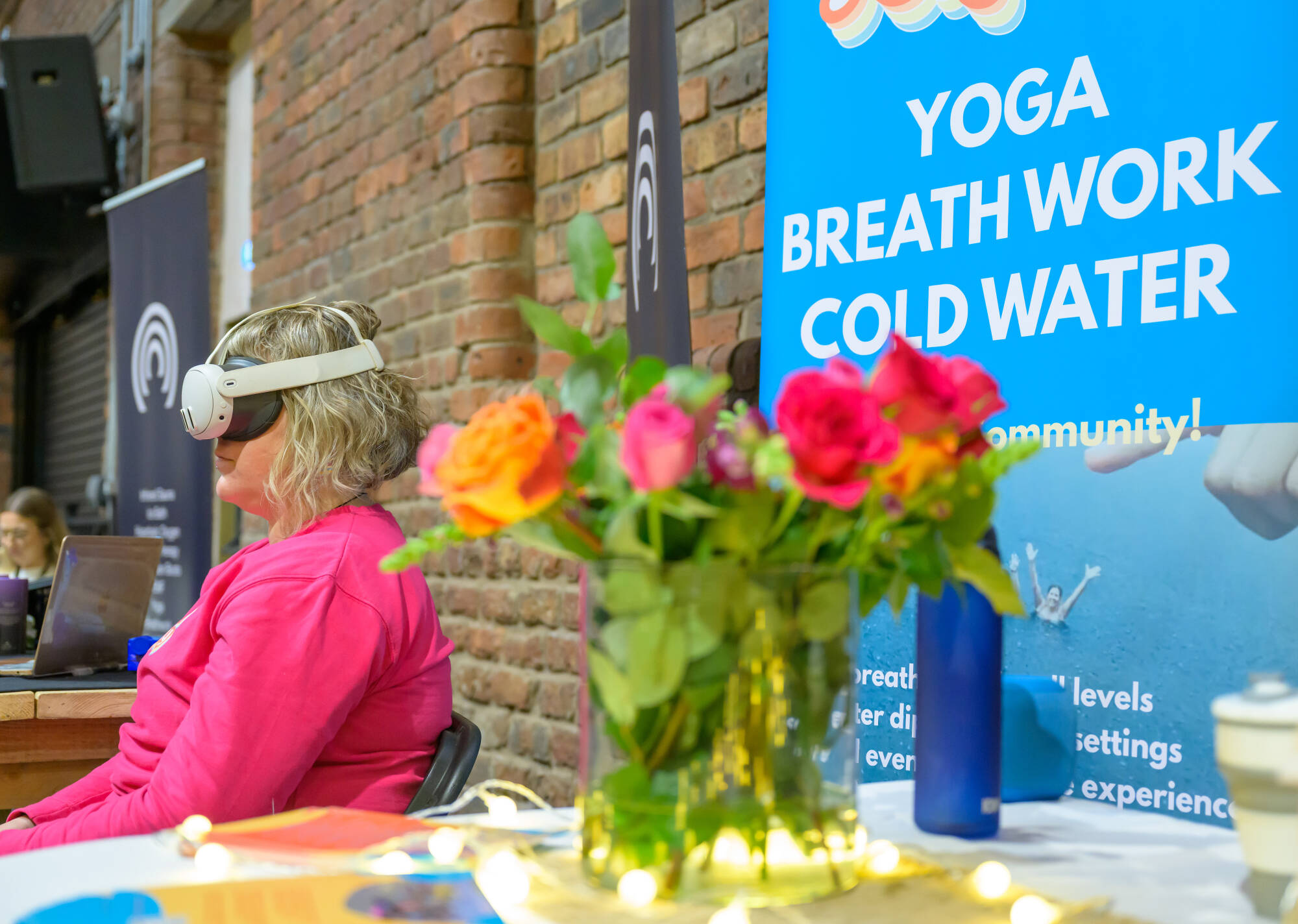
Beyond the science, there’s a growing recognition of the community and emotional benefits. Groups like Soulful Sunday — the weekly event blending yoga, breathwork, and a refreshing cold-water dip — are showing that the experience is as much about connection as it is about health. Many participants describe a sense of empowerment and solidarity that extends beyond the water.
Cold water swimming isn’t a miracle cure, but it offers something rare: a simple, accessible way to reconnect with the body and the natural world. Whether it’s a sea swim or a back-garden plunge, the cold has become a source of strength — and a reminder of how resilient women’s bodies can be.
Ready to take the plunge?
Join the Soulful Sunday community for a morning of yoga, breathwork, and cold-water connection.
Find out more and sign up at soulfulsunday.co.uk