I was in Primary 4 when I first learnt about periods.
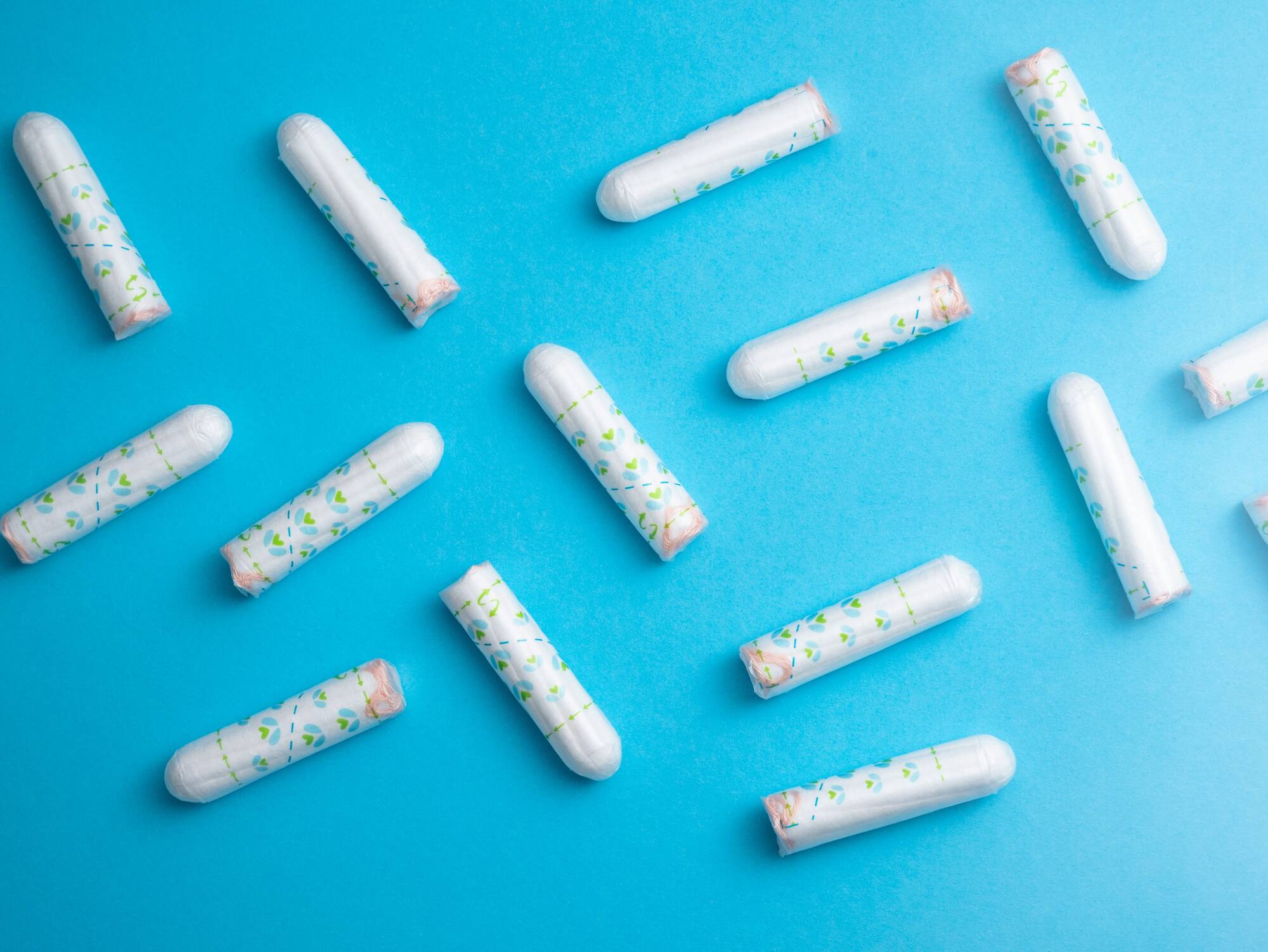
I don’t remember much beyond the horror of watching our rather stern school nurse drop a tampon in a glass of water, letting it expand, then proudly picking up said glass by the tampon string. That’s a hard no from me, I thought.
And that was it. My school period education in a nutshell. Not exactly great. So here’s what I believe I should have been told:
that my body is flipping amazing.
We bleed hundreds of times yet miraculously repair ourselves without scarring or damage, driven by hormones that play a glorious symphony with detail and precision that would have Amadeus clapping with joy.that my period is an incredible indicator of my health.
Fertility, Endometriosis, PCOS, PMDD, even diabetes. Periods can predict osteoporosis risk, indicate heart health, stress levels, diet, sleep quality, immunity and even risks of certain cancers and inflammatory diseases.what my normal is.
Tracking your period from an early age could quite literally save your life. Knowledge has to be our superpower. If we understand our normal; our symptoms, volume, flow and regularity, more of us will spot warning signs early and have the evidence to back it up.what the bloody hell is in my period product.
Product choice should come from a position of knowledge. Toxins in my tampons and pads? What are they doing to my body?
The industry’s failure to properly research long-term impacts does not mean their products are safe. Why don’t we know more? In the words of Jack Nicholson, perhaps they think we “can’t handle the truth”. I beg to differ.that reusables are actually pretty bloody amazing (pun intended).
For decades disposables dominated. Huge marketing budgets, supermarket shelves built around the biggest sellers, schools reluctant to discuss “alternatives”.
Even that word says it all; not “options” but “alternatives” – somehow assigning them to the “odd” category. We need information to change personal habits and support to use them – the ability to clean in-cubicle would be good (just saying!).
Yet despite all these barriers, reusables have quietly grown into a global market predicted to exceed $3 billion, with more than 70 brands and even the first SMART cup with biosensors launching this year.that the world makes it my problem.
Over 120 countries still tax period products as “luxury items”. As comedian Daniel Sloss said, try giving a woman a pack of tampons for her birthday and you’ll soon find out how “luxury” they are. Denmark sits at 25% tax, Hungary 27%.
The UK no longer taxes them, but they aren’t universally free, available or medically regulated. Yes, we’re “better”, but is that the bar?
Periods are now considered one of the five vital signs of health, so I really think it’s about time we had the education, honesty and infrastructure to support them - no more tampons lifting glasses please!