Why Are People Switching to Cups and Discs?

- Written by Eleanor Morris
- Marketing & Health Researcher
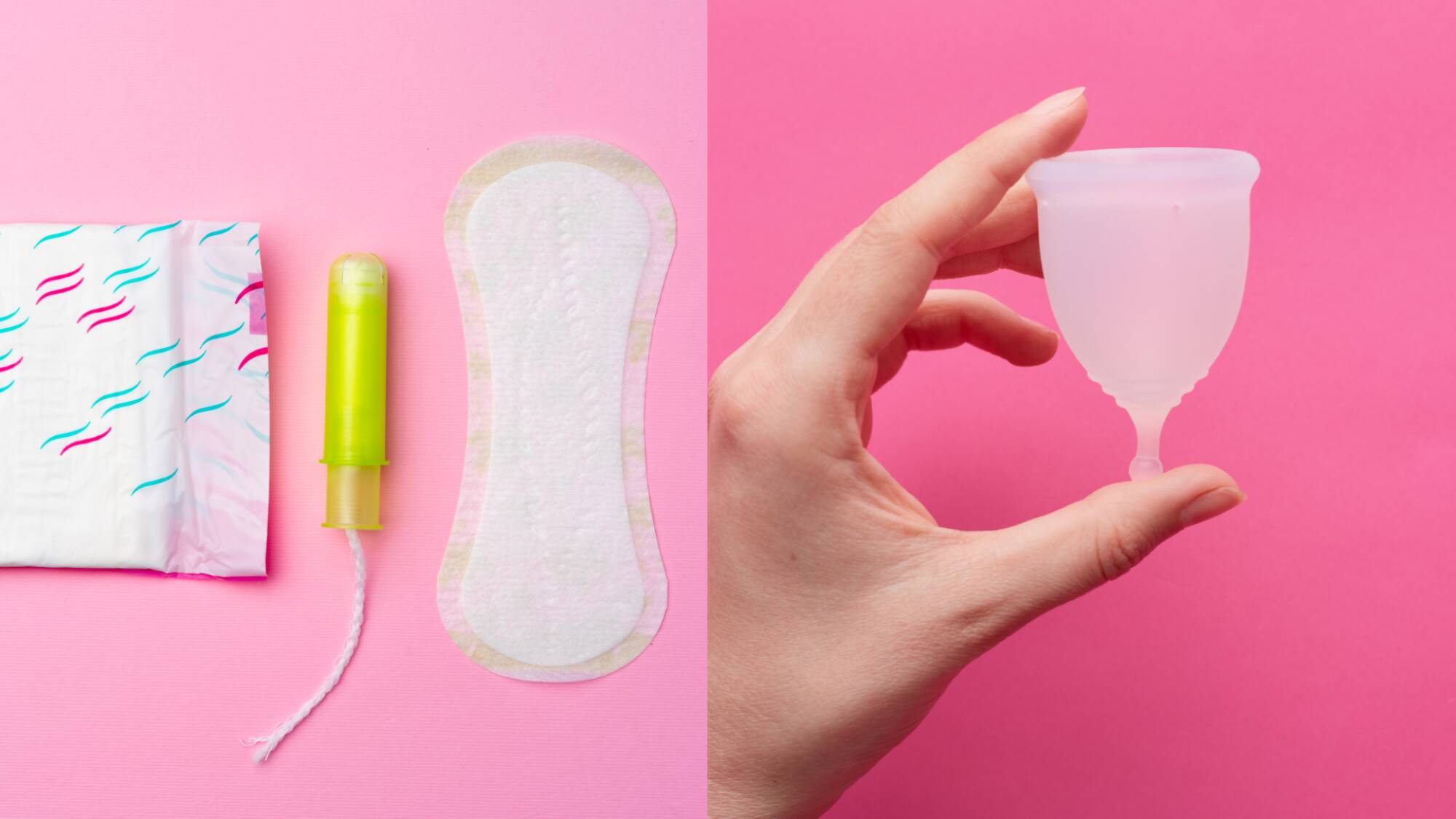
In recent years, menstrual products like cups and discs have surged in popularity, challenging the long-standing dominance of tampons and pads. What was once considered a niche alternative has now become a mainstream choice for millions. But why are so many people making the switch?
A Shift in Awareness
One of the biggest drivers behind this trend is increased awareness. Social media, health education, and open conversations about menstruation have helped break long-standing taboos. As a result, more people are exploring options beyond traditional disposable products.
A 2023 survey by Statista found that over 35% of menstruating individuals aged 18–34 have considered switching to reusable menstrual products, including cups and discs. This marks a significant increase compared to just a decade ago.
Environmental Concerns
Sustainability plays a major role in this shift. Disposable menstrual products generate a substantial amount of waste:
The average person uses over 11,000 disposable menstrual products in their lifetime.
In the UK alone, around 200,000 tonnes of menstrual waste are produced annually.
Most pads and tampons contain plastic, which can take hundreds of years to decompose.
Menstrual cups and discs, on the other hand, are reusable and can last 5 to 10 years. This drastically reduces waste and appeals to environmentally conscious consumers.
Cost Savings
While cups and discs may have a higher upfront cost, they are significantly more economical over time.
Average cost of a menstrual cup: £20–£30
Average annual cost of disposable products: £60–£120
Over a decade, switching to a reusable product can save users hundreds of pounds. For many, especially during times of economic uncertainty, this is a compelling reason to switch.
Comfort and Convenience
Many users report that cups and discs offer greater comfort and flexibility:
They can be worn for up to 8–12 hours, compared to 4–6 hours for tampons.
They hold more fluid, reducing the need for frequent changes.
Discs, in particular, can be worn during sex, which is not possible with most other products.
A 2021 study published in The Lancet Public Health found that 91% of menstrual cup users would continue using them and recommend them to others, highlighting high satisfaction rates.
Health and Safety Perceptions
There is also growing concern about the ingredients in disposable products. While tampons and pads are generally considered safe, some users prefer cups and discs because they are often made from medical-grade silicone and contain fewer additives.
Recent research has added to these concerns. A 2025 report by the Women’s Environmental Network (WEN) and Pesticide Action Network UK found traces of glyphosate (a widely used pesticide) in tampons sold in the UK. In one sample, levels were detected at up to 40 times higher than the legal limit for drinking water.
Glyphosate has been classified as “probably carcinogenic” by the World Health Organization, and researchers raised concerns that chemicals absorbed vaginally can enter the bloodstream directly, potentially increasing exposure risks.
The report also highlights a broader issue: cotton, a key material in many disposable products, is one of the most pesticide-intensive crops globally, meaning chemical residues can end up in finished products.
While more research is needed to fully understand the health implications, findings like these have contributed to a growing perception that reusable options—such as cups and discs—may offer a simpler, lower-exposure alternative.
Additionally, cups and discs are associated with a lower risk of Toxic Shock Syndrome (TSS) compared to tampons, although the overall risk remains very low for all products.
The Role of Accessibility and Innovation
As demand has increased, so has availability. Cups and discs are now widely sold in pharmacies, supermarkets, and online. Brands have also improved designs, offering different sizes, shapes, and firmness levels to suit a variety of bodies.
Menstrual discs, once relatively unknown, are gaining attention as a more flexible and beginner-friendly option compared to cups.
Challenges Still Remain
Despite their benefits, cups and discs are not without barriers:
There is a learning curve for insertion and removal.
Access to clean water and private facilities can be a concern.
Cultural stigma still exists in some communities.
However, education and improved product design are gradually addressing these challenges.
Conclusion
The shift toward menstrual cups and discs reflects broader changes in consumer priorities—toward sustainability, affordability, and bodily autonomy. As awareness grows and stigma continues to decline, it’s likely that these products will become an increasingly common choice for future generations.
References
Statista (2023). Consumer interest in reusable menstrual products
The Lancet Public Health (2021). Menstrual cup use, leakage, acceptability, safety, and availability
Women's Environmental Network (UK). Menstrual product waste statistics
NHS UK. Menstrual health and product safety guidance
Zero Waste Europe (2022). Environmental impact of disposable hygiene products
Euromonitor International (2023). Global menstrual care market trends
Women’s Environmental Network (WEN) & Pesticide Action Network UK (2025). Toxic pesticide found in UK tampons at 40 times the drinking water limit