Sleep is one of the most important foundations of good health, yet many people struggle to get enough quality rest. Poor sleep can affect mood, concentration, immune health, and hormone balance. The good news is that small changes to your daily routine can make a big difference.
As late sleep expert Michael Mosley often highlighted, sleep isn’t just about the number of hours you spend in bed—it’s about creating the right conditions for your body to rest and recover.
Here are 10 simple habits that can help improve your sleep.
1. Keep a Consistent Sleep Schedule
Try to go to bed and wake up at roughly the same time every day—even on weekends. Consistency helps regulate your body’s internal clock and can make falling asleep easier.
2. Get Natural Light in the Morning
Exposure to daylight soon after waking helps reset your circadian rhythm and signals to your body when it should feel awake and when it should wind down.
Some people find sunrise (sunlight) alarm clocks helpful for regulating their sleep rhythm, as they gradually brighten the room to mimic natural sunrise and wake you more gently.
Check out lumie wake up lights3. Reduce Screen Time Before Bed
Phones, tablets, and laptops emit blue light that can interfere with the production of melatonin, the hormone that helps you fall asleep. Try switching off screens at least an hour before bed.
4. Avoid Caffeine Late in the Day
Caffeine can stay in your system for several hours. Limiting coffee, tea, and energy drinks in the afternoon and evening can help you fall asleep faster.
5. Create a Relaxing Bedtime Routine
Activities like reading, stretching, or taking a warm shower can signal to your body that it’s time to wind down.
6. Keep Your Bedroom Cool and Dark
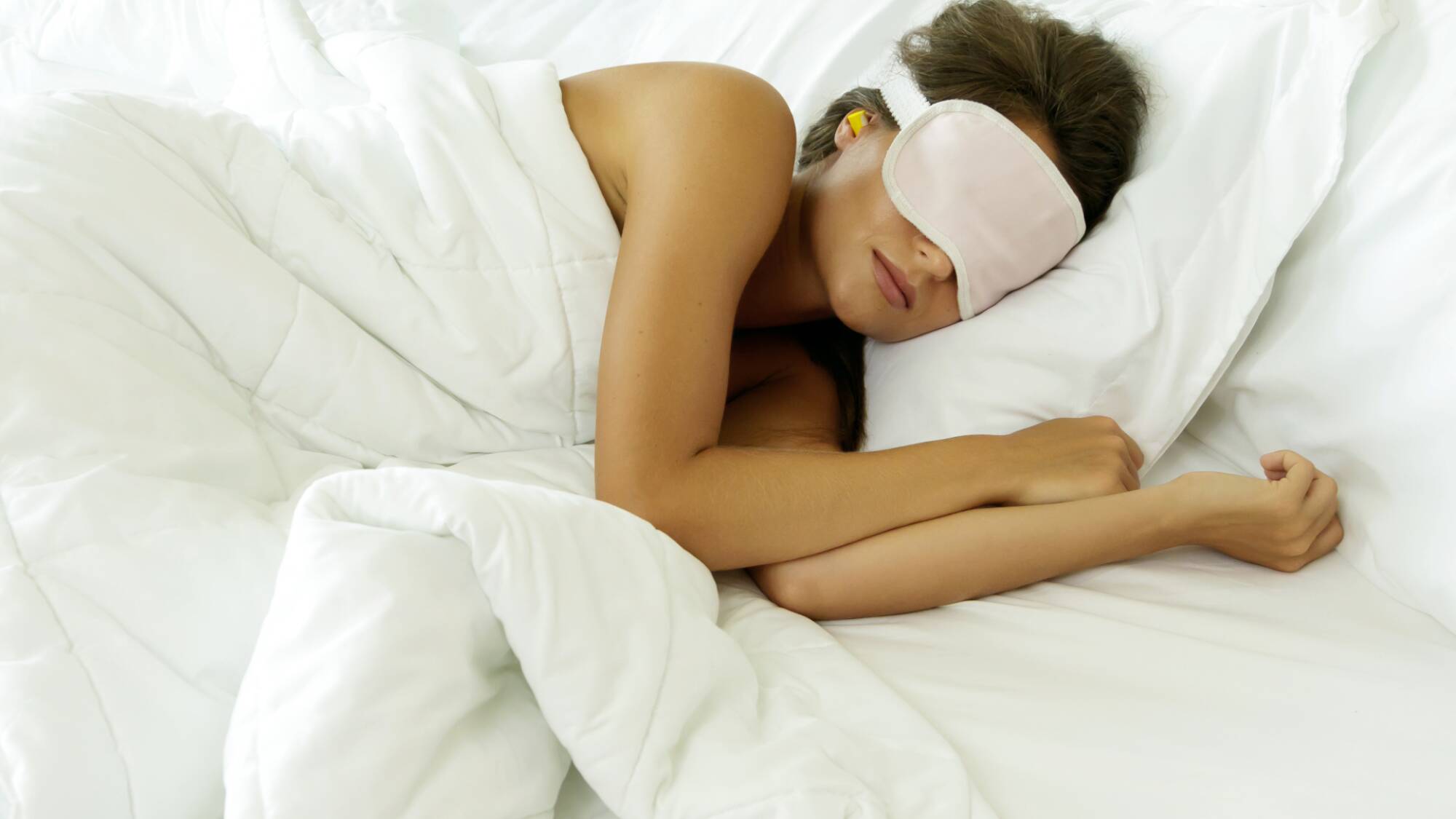
A slightly cool, dark room is ideal for sleep. Blackout curtains, eye masks, or white noise can help create a restful environment.
7. Exercise Regularly
Regular physical activity can improve sleep quality and help you fall asleep faster. Just try to avoid intense workouts right before bedtime.
8. Watch Evening Alcohol Intake
While alcohol might make you feel sleepy at first, it can disrupt sleep later in the night and reduce sleep quality.
9. Don’t Lie Awake for Too Long
If you can’t sleep after about 20 minutes, get up and do something calm in dim light until you feel sleepy again.
10. Track Your Sleep
Tracking your sleep patterns can help you understand what affects your rest and identify habits that might be disrupting it.